Overview
Paraná lies in southern Brazil. Its capital, Curitiba, sits on a high plateau; the port of Paranaguá lies about 90 kilometres to the east; the yerba mate districts spread to the west and northwest; and the Iguaçu River and the tri-border area lie farther west. Yerba mate—Ilex paraguariensis—is a holly, not a tea bush. Chinese readers often call it "mate tea," but its plant, processing and drinking vessels are all different from Camellia sinensis.
This "tea road" is a thematic cultural corridor organised around mate production, processing, trade and consumption. Curitiba stands for urban trade and processing, Paranaguá for export, the western districts for production, and Foz do Iguaçu and the falls for the tri-border cultural landscape. It is not a continuous ancient trade route, and no one should read the map as a walking trail from Curitiba to the falls.
History and background
Guaraní mate before the Europeans
Yerba mate was used before Columbus reached the Americas, above all by Guaraní peoples and their neighbours. They gathered wild mate leaves, filled a gourd with water and drank through a metal or cane straw. That set of vessels became the core of South American mate culture. The idea that the mate tree was a "sacred tree given by the gods" appears in ethnographic and oral accounts; it should not be turned into a single doctrine shared by every Guaraní community.
The Jesuits and cultivation
Spanish Jesuits established missions in the Paraná River basin in the sixteenth to eighteenth centuries. General histories often credit the Jesuits with the first cultivation of mate; regional studies stress that gathering and trade existed before them and that the Jesuits expanded planting and processing. The two statements are compatible: domestication is not invention. Mate had a gathering tradition first and a commercial plantation system later.
The widespread story that mate seeds must pass through a bird's digestive tract before they will germinate, and that the Jesuits simulated this by soaking, is repeated in many popular accounts but lacks a reliable experimental history. This page does not treat it as established fact. What is clear is that mate seeds germinate slowly and are difficult to raise, and that cultivation was the result of long trial and error.
Why Paraná became the main producer
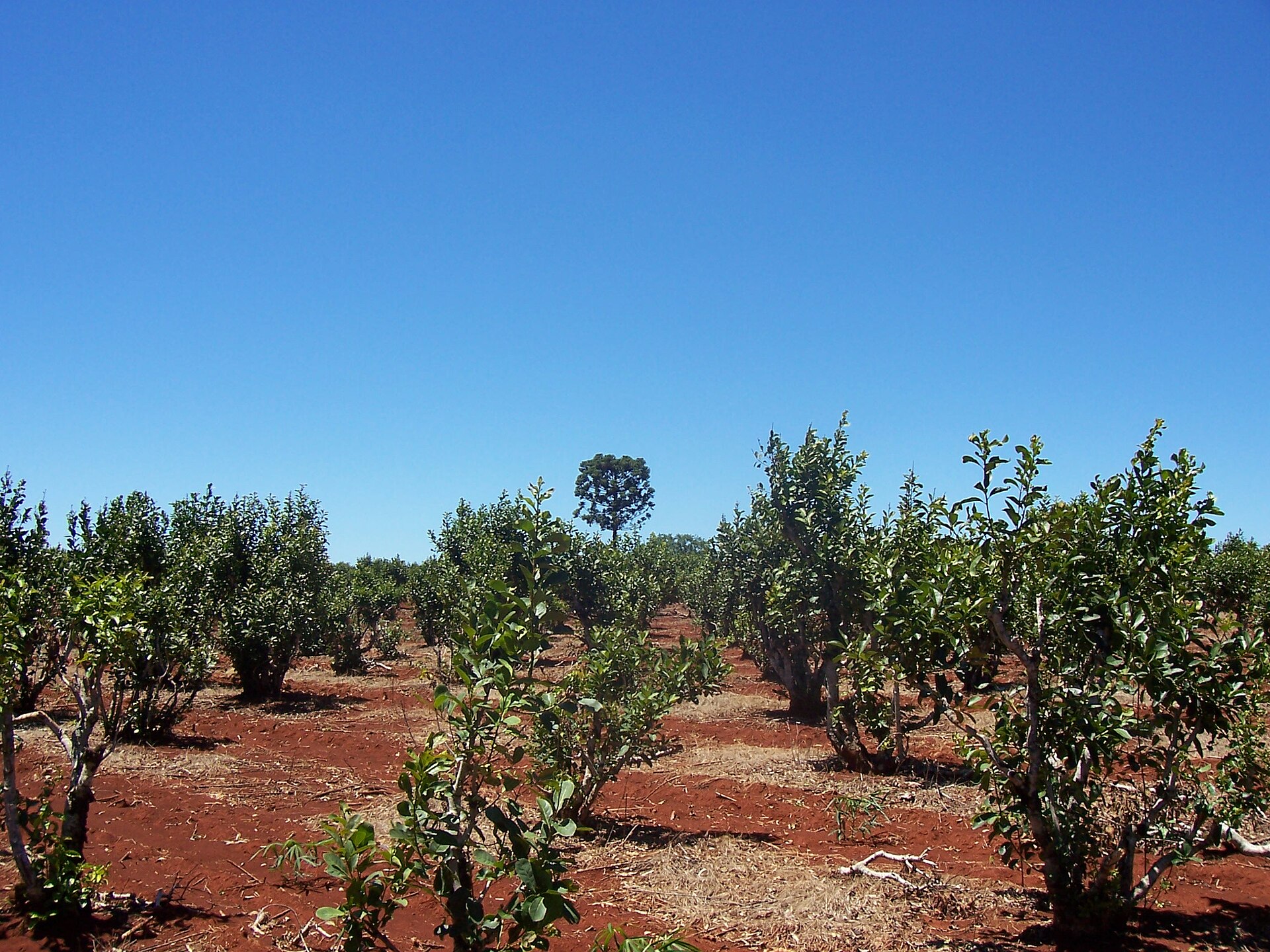
Paraná lies within the natural range of yerba mate. Its plateau climate, acid soils and Araucaria forests (Araucaria angustifolia) create conditions in which mate can grow. Producers often use forest-floor or agroforestry systems: mate shrubs grow under partial shade, together with Araucaria, other trees and crops, in a multi-layered structure.
Brazil is one of the world's important mate producers, and Paraná leads the Brazilian states. The UFPR value-chain study cites IBGE data showing Paraná at the top; the Ministry of Tourism describes the new Paraná tourism region as centred on mate production. The exact share of national output and the annual tonnage change with the year and the statistical basis. This page does not fix "80 percent."
Ports, railways and export
Paranaguá is Paraná's Atlantic gateway. Mate was once exported through the port together with timber, coffee and other commodities into the Río de la Plata and overseas markets. From the late nineteenth century into the twentieth, railways and highways gradually changed inland transport. Exact export volumes, destinations and period sequences require port statistics and customs records; a single phrase such as "three centuries of trade" is not enough.
Mate is not "tea," but it is a tea culture
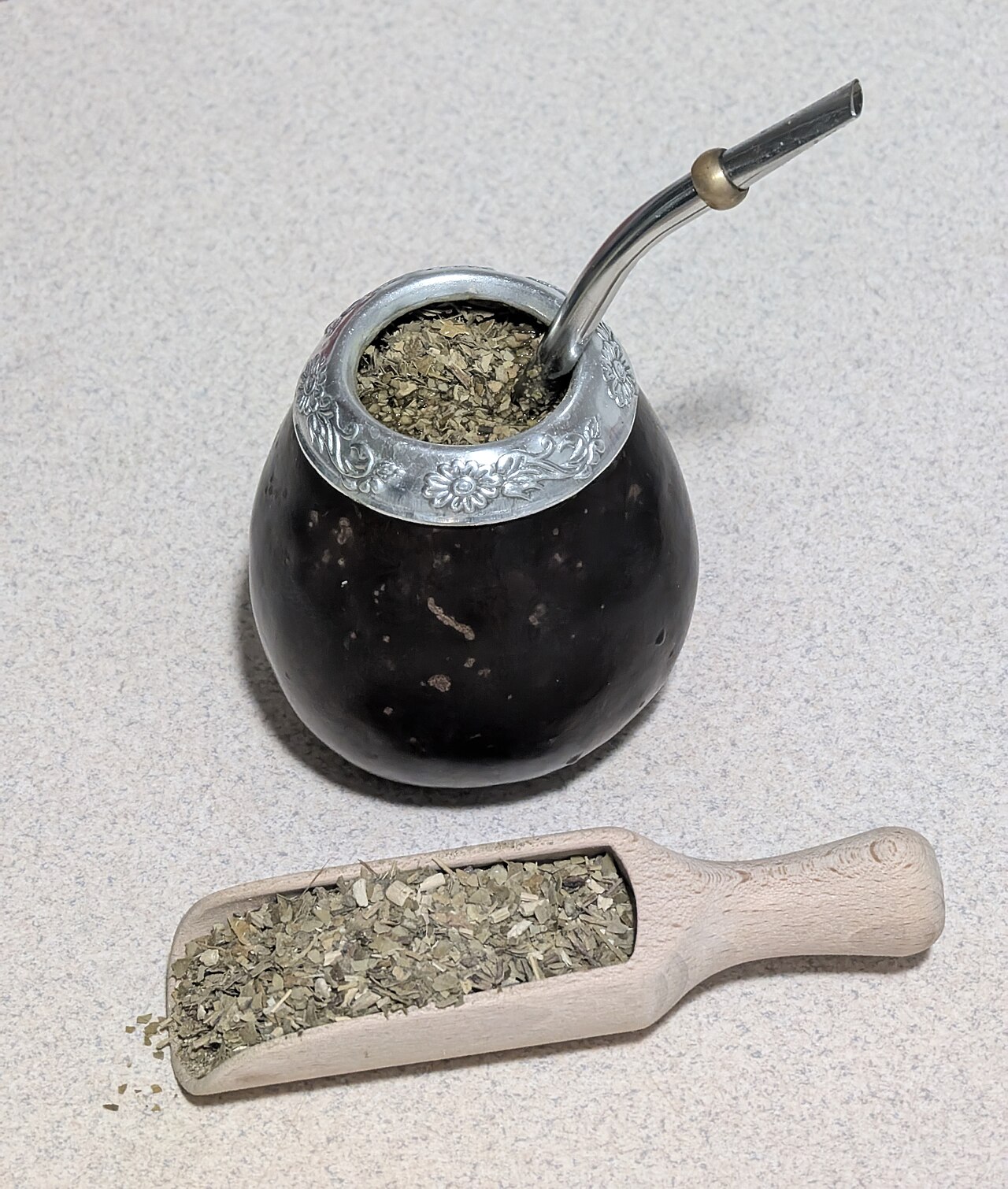
Mate contains caffeine and tannins. It is drunk from a gourd (mate) with a metal straw (bombilla), and sharing one gourd among several people is a social convention in the Río de la Plata region. Argentina, Uruguay, Paraguay and southern Brazil each have preferences: hot chimarrão and cold tereré differ in temperature and sometimes in added herbs. Calling mate a "South American tea" is a convenient Chinese-language shorthand, but botanically and in customs classification it is mate, not black tea or green tea.
Route and scope
The thematic nodes are Curitiba → Paranaguá → the Paraná mate districts → Foz do Iguaçu → Iguaçu Falls → Puerto Iguazú in Argentina. The station table gives a cumulative distance of about 480 kilometres and elevations from roughly 5 to 900 metres. The old page also gives about 800 kilometres from Paraná to Buenos Aires; that is a different origin and destination and should not be added to the 480-kilometre figure.
The corridor is best read in sections—city, port, production district, border—rather than as one historical mule track. A modern road trip takes about two to three days. A historical mule caravan from the inland districts to the port or the border would have taken weeks, depending on cargo and season, but the exact routes and daily distances are not fixed.
Stations
The stations below use the same node_id as the route fact table. The map and elevation profile are reading aids, not a substitute for field data.
01 · Curitiba
The capital of Paraná and a hub of mate processing, trade and urban consumption. The surrounding high plateau, with its Araucaria forests and subtropical climate, is suited to mate.
02 · Paranaguá
Paranaguá is Paraná's Atlantic port. Mate was exported through it together with timber, coffee and other goods into the Río de la Plata and overseas markets; volumes varied by period.
03 · The Paraná mate districts
Paraná is Brazil's leading mate-producing state. Mate shrubs often grow with Araucaria forest, and harvesting, roasting and milling form a local processing tradition.
04 · Foz do Iguaçu
The Brazilian city at the border with Argentina and Paraguay. Mate is a daily drink in all three countries, but the blends, vessels and drinking temperatures differ.
05 · Iguaçu Falls
The falls are about 2.7 kilometres wide, and their flow changes with the season; the often-quoted "275 separate falls" is only one interpretation. The surrounding Atlantic Forest is part of the cultural landscape in which mate is produced.
06 · Puerto Iguazú
The Argentine border town. Mate is a daily social drink in Argentina, but claims that the country has "the world's highest per-capita consumption" and exact kilogram figures should be tied to the statistics of the year being cited; this page does not fix them.
Trade teas
- Brazilian yerba mate: mainly from Paraná, with roasted and natural styles and a flavour that varies by processing and origin.
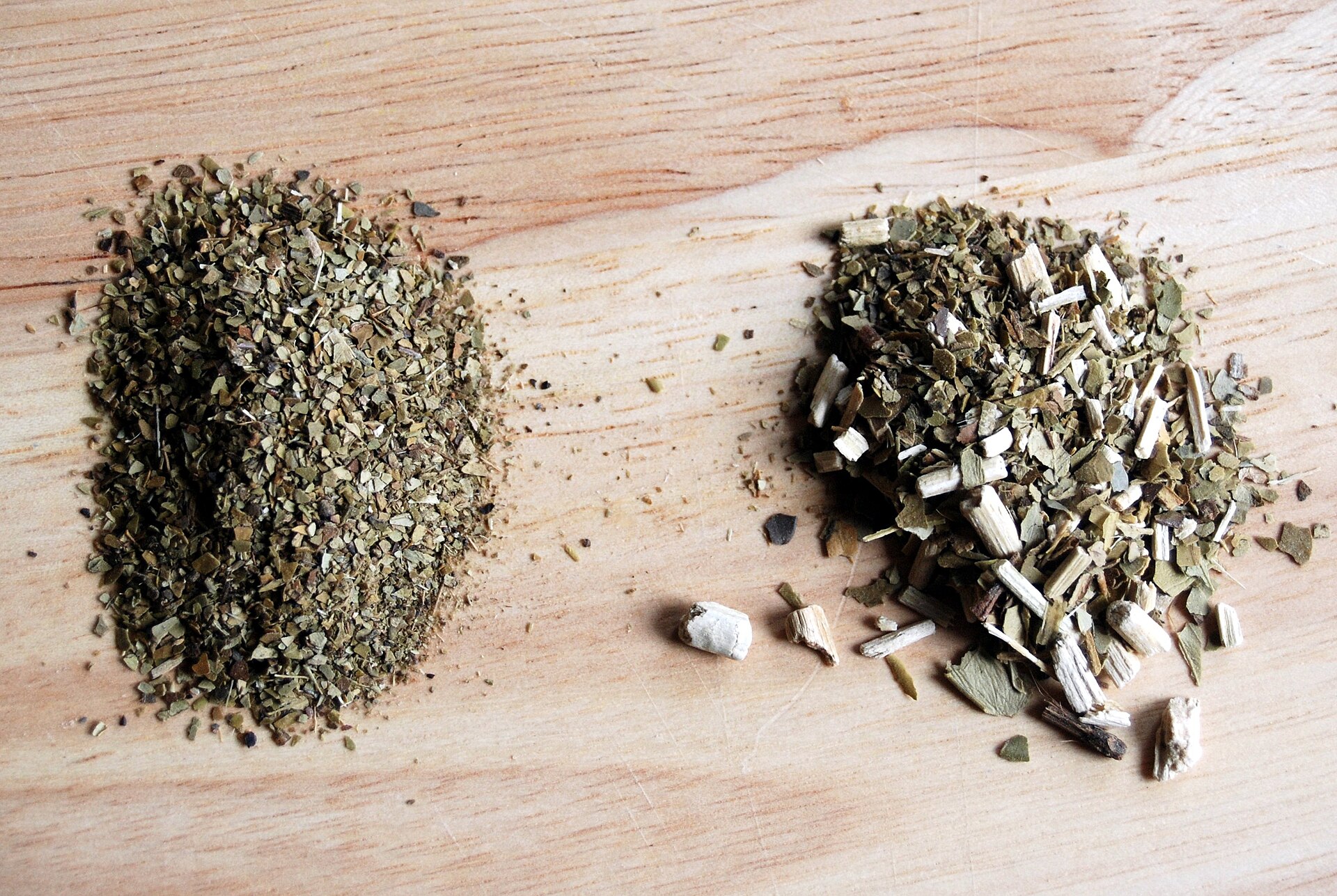
- Argentine mate: a large consumer market, commonly classified as con palo (with stems) and despalada (without stems).
- Paraguayan mate: linked to the Paraguayan tereré tradition, often mixed with lemon, mint or herbs.
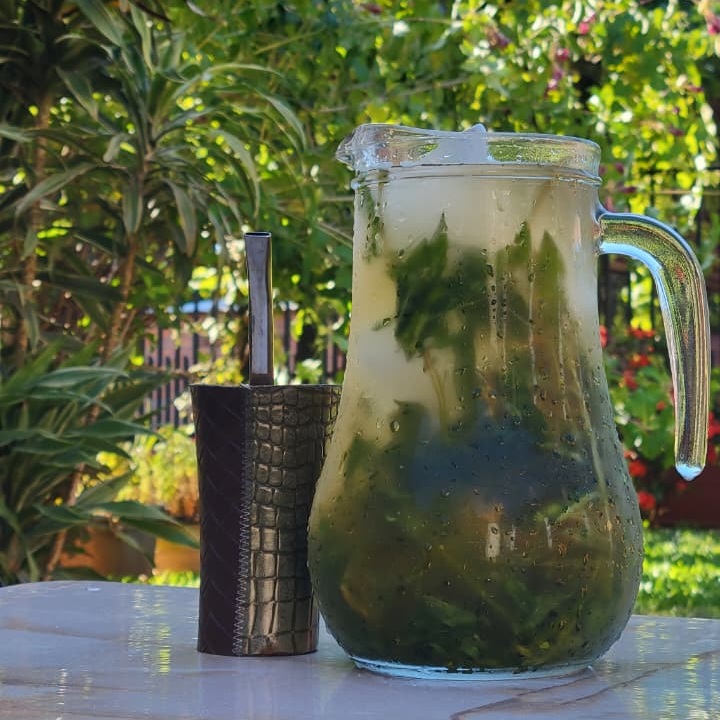
- Tereré: mate brewed with cold water, not a branded "iced tea" and not a Camellia tea.
Visiting notes
This page is a cultural-route reading, not a guide for rainforest trekking, border crossing or driving navigation. Iguaçu Falls and the tri-border area are managed as parks and border zones; entry, tickets, drones and filming are governed by Brazilian, Argentine and Paraguayan official rules. Mate estates, processing plants and museums open seasonally, so confirm with local tourism offices before travelling.
Sources
- Governo do Brasil — Turismo: nova região e roteiro turísticos no Paraná
- UFPR — Erva-mate paranaense: uma análise atual da cadeia de valor
- Legacy migration data (route distances, duration and station narrative)