Overview
In the 1860s, the first new-season tea from China commanded a premium in London. Shipowners therefore raced their clippers from Fuzhou to the Thames, and the results were reported like sporting events. The route was not a scheduled liner service but a seasonal contest: load the new crop, leave as early as possible, cross the Indian Ocean and round the Cape of Good Hope, then beat the other ships into the London market.
The shared table gives eight sea nodes over roughly 22,000 kilometres, from Fuzhou to London. The sequence is a reading device. Actual courses varied with wind, ice, cargo and the captain’s decisions, and ships did not necessarily call at every place named. The diagram is a schematic, not a navigation chart.
History and background
The clipper was a narrow, heavily canvassed sailing ship designed for speed rather than bulk. American clippers set early records in the 1840s and 1850s; British builders responded with their own ships for the China tea trade. Fuzhou, with its access to the Fujian tea districts, became a major loading port. The tea was packed in chests, carried by river and coastal craft, and stowed below deck.
The trade was seasonal and speculative. A ship that arrived first could sell at a higher price; later arrivals faced a falling market. In the 1860s first-flush tea could be quoted at more than £1 per pound, while later cargoes might fall by half, although the exact premium and the division of prize money varied with owners, charterers and contracts. Owners, captains and agents therefore had strong incentives to push ships and crews. A large clipper could carry about one million pounds — roughly 450 tonnes — of tea. The races also generated public excitement, newspaper reports and prints.
The 1866 contest was the most famous. Ariel, Taeping and Serica left Mawei, the port of Fuzhou, on 28 May with the new-season Wuyi black tea. They chose slightly different courses. In the Indian Ocean the three ships were at one point within 50 nautical miles of one another, crews watching each other through telescopes and trimming sails. Rounding the Cape, the Roaring Forties tore Ariel’s mainsail, but her crew replaced canvas without slowing. Taeping’s reading of currents and winds then opened a small lead. On 5 September Taeping reached the Thames estuary; she docked at 21:45 on 6 September, and Ariel reached East India Dock at 22:15. Serica arrived about an hour later. All three finished on the same day after roughly 99 days at sea — a rare outcome in the history of sail.
Because Taeping and Ariel entered different docks, the first-ship prize was divided rather than awarded to one vessel. The 1866 race became the defining story of the trade, even though its commercial logic was already changing.
The clipper’s golden age in the tea trade lasted only about thirty years, from the 1840s to around 1870. The opening of the Suez Canal in 1869 changed the economics. Steamers could take the shorter route through the canal, while sailing clippers had to continue around the Cape. Although clippers remained fast in strong winds, steam proved more predictable. By the later nineteenth century the tea clipper trade had declined, and many ships moved to other cargoes or were broken up.
Route and scope
The station table records Fuzhou, Hong Kong, Singapore, Mauritius, the Cape of Good Hope, St Helena, the Azores and London. The cumulative distance is about 22,000 kilometres. The passage was westbound from China, around the Cape, then north through the Atlantic. The table’s order follows the narrative, not a single logged track.
A fast clipper might complete the passage in about 99 days; ordinary sailing ships took much longer. The difference was not only ship design but weather, routing and luck. The 1866 race was exceptional, and even then the leading ships arrived on the same day rather than weeks apart.
Stations
The stations below use the same node_id as the route fact table. The map and elevation profile are reading aids, not a substitute for field data.
01 · Fuzhou and Mawei
Fuzhou was the loading port for much of the Fujian tea that entered the clipper trade. The Min River carried tea down from the interior, and Mawei, downriver from the city, held warehouses, wharves and foreign shipping offices. The new-season chests were loaded in spring. A ship that missed the crop might have to wait a year, which made the timing of arrival at the port as important as the speed of the passage.
02 · Hong Kong
Hong Kong was a deep-water port, a repair yard and a provisioning stop. Ships could take on water, stores and replacement crew, and owners could receive instructions. It was not a tea-producing place; its role was logistical. The station narrative’s images of junks and steamships belong to the harbour’s busy nineteenth-century life, but the tea cargo itself usually came from further north.
03 · Singapore Strait
The Singapore Strait was the main passage between the Indian Ocean and the South China Sea. Winds, currents and piracy risk shaped the route. A ship might stop at Singapore for water and news, or simply pass through. The table includes it as a waypoint; the actual anchorage depended on the voyage.
04 · Port Louis, Mauritius
Port Louis was a provisioning stop in the Indian Ocean. Ships could take on water, fresh food and repairs after the long passage from China. Mauritius was also a sugar colony with its own trading connections, but for the tea clippers it was chiefly a place to reset before the run to the Cape.
05 · Cape of Good Hope
The Cape was the great turn of the route. Sailing ships bound for Europe from the east rounded the Cape of Good Hope, where the weather could be violent and the seas confused. Ships might stop at Cape Town for water and repairs, or stay offshore and continue. The passage around the Cape was one of the most dangerous parts of the voyage, and delays there could decide a race.
06 · St Helena
St Helena was a small island in the South Atlantic, used as a provisioning and recovery stop. Its isolation made it a natural waypoint for ships crossing from the Cape toward Europe. The station narrative’s image of Napoleon’s exile is a later historical association; for the tea clippers, the island was mainly about water, fresh food and a safe anchorage.
07 · The Azores
The Azores were the last mid-Atlantic stop before the English Channel. Ships could take on fresh provisions and wait for favourable winds. The islands were also a navigational reference: a ship that sighted them knew it was approaching the final run to London. The table’s inclusion reflects the homeward route, not a mandatory call.
08 · London and the Thames
The finish was the Thames. In 1866, Taeping reached London Docks at about 21:45 on 6 September, and Ariel reached East India Dock at about 22:15. The difference was roughly half an hour, but because the ships entered different docks the prize was divided rather than awarded to one vessel. The London tea market opened, buyers inspected the new crop, and the race became news.
Trade teas
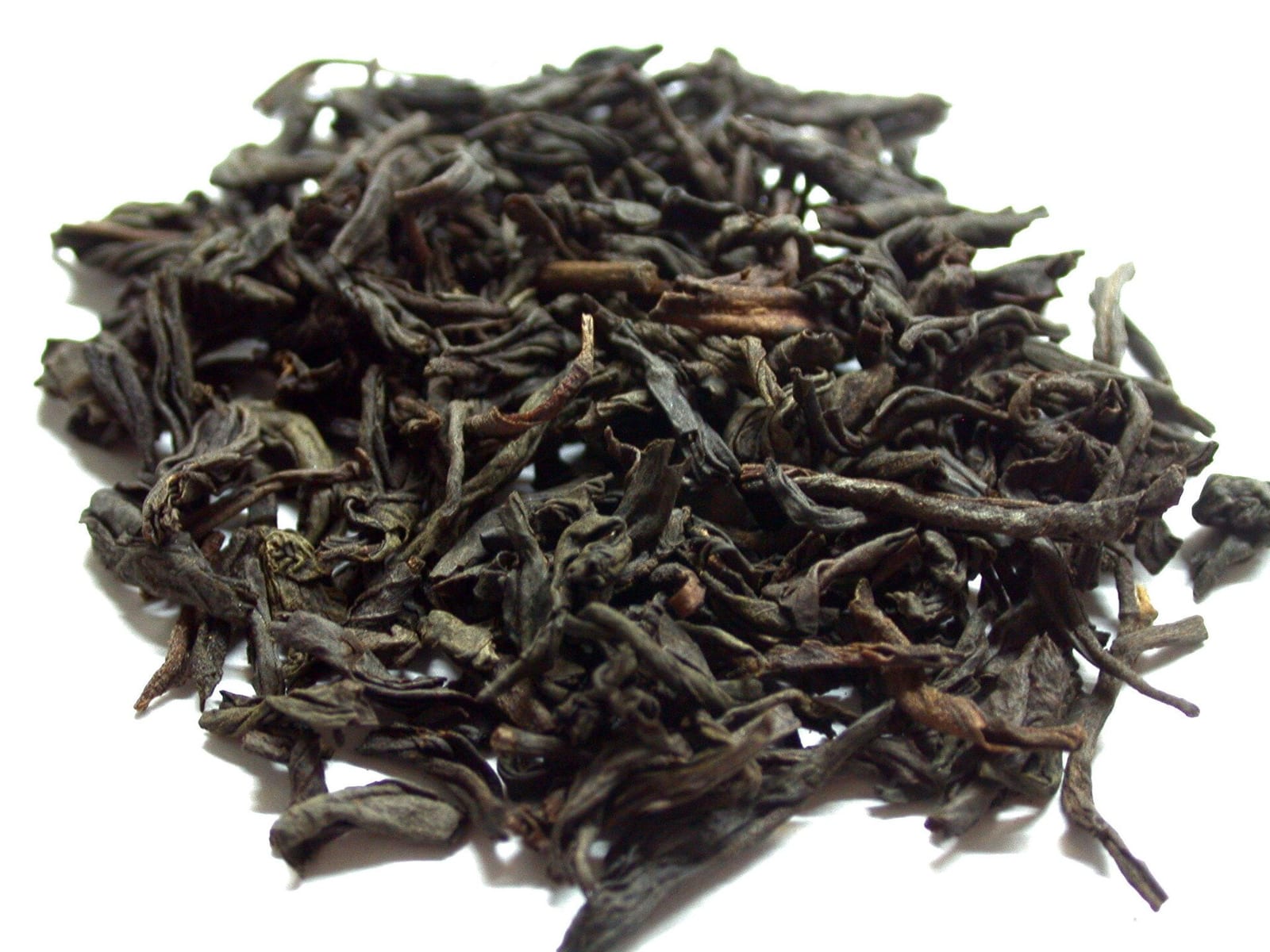
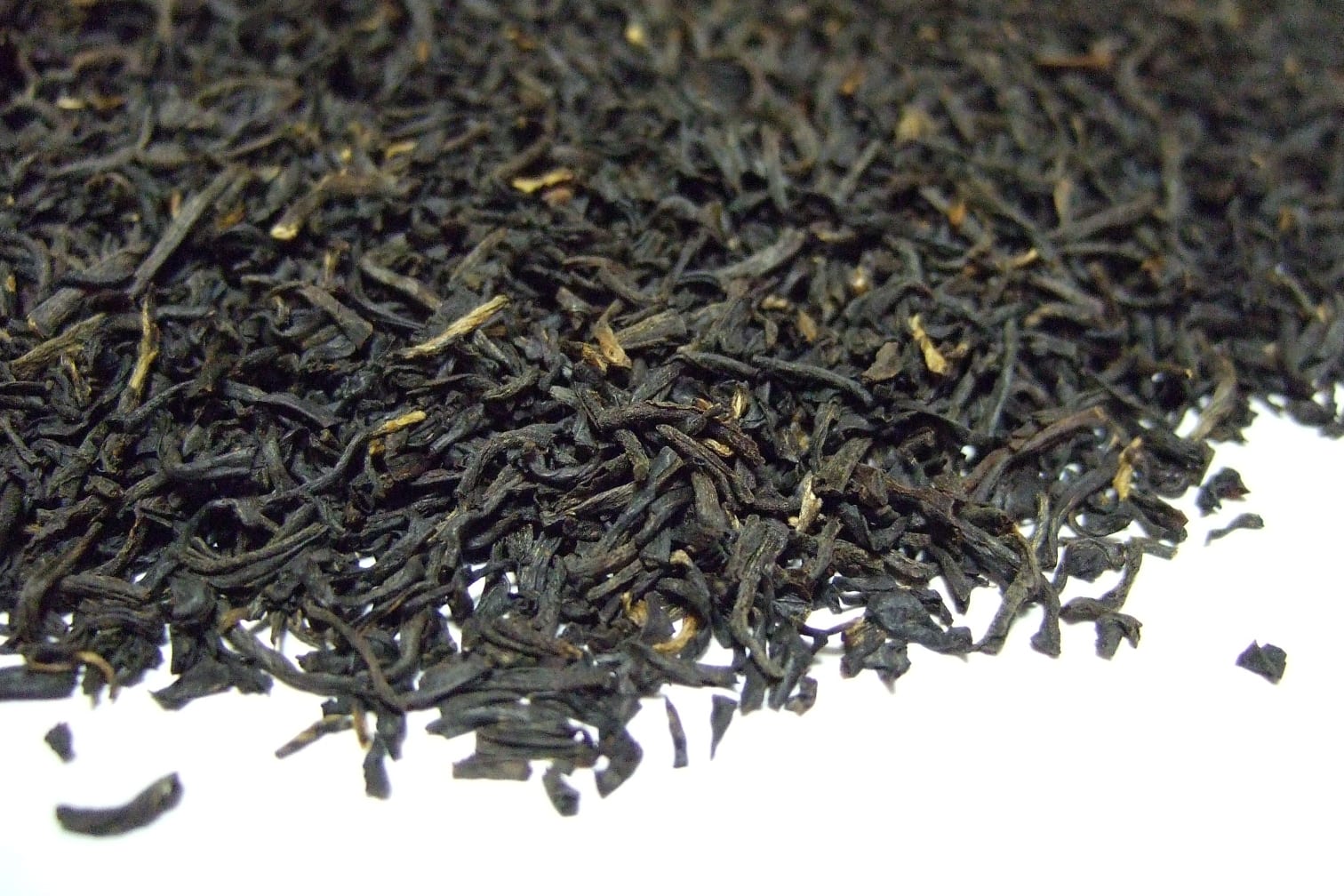
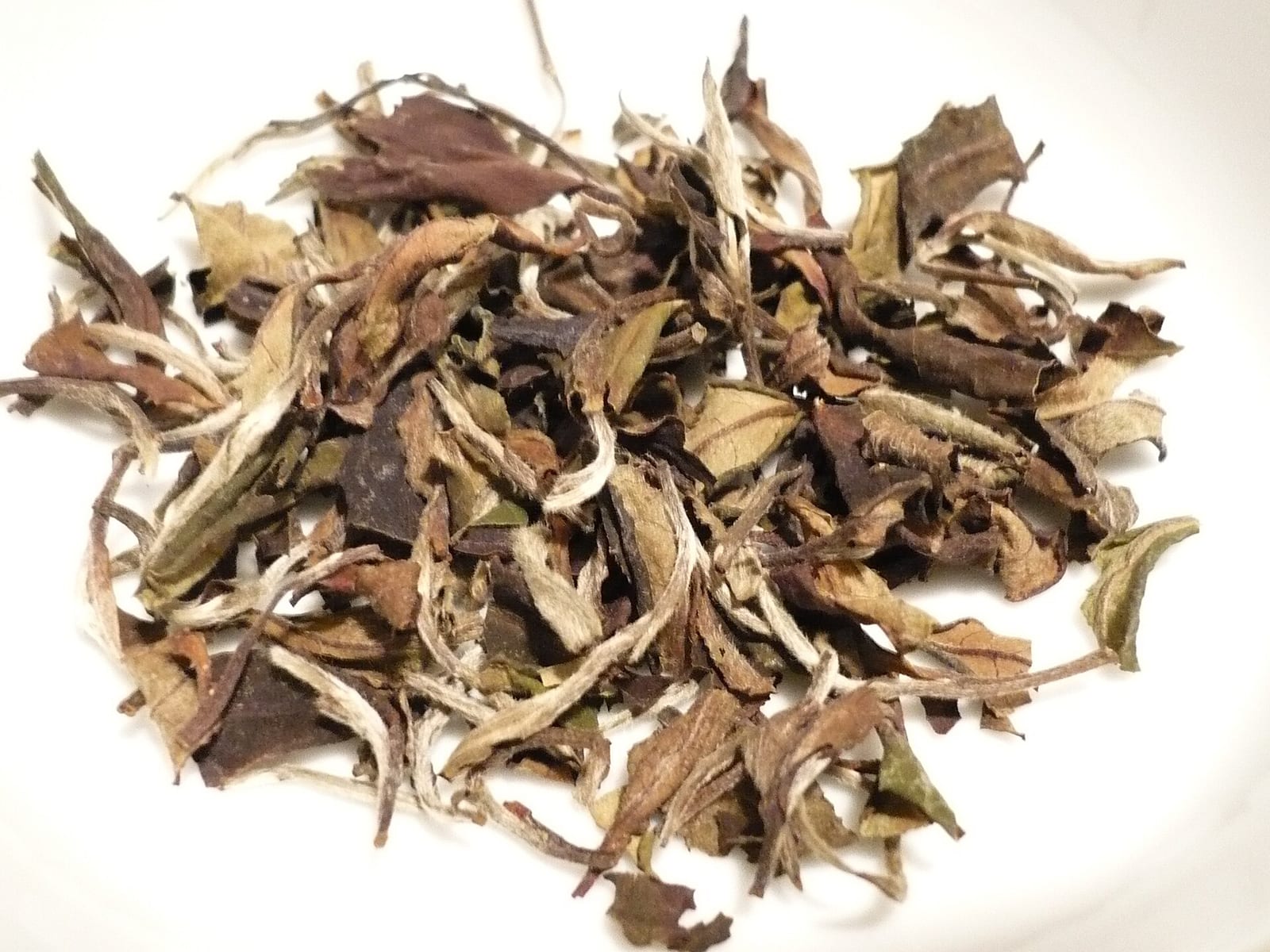
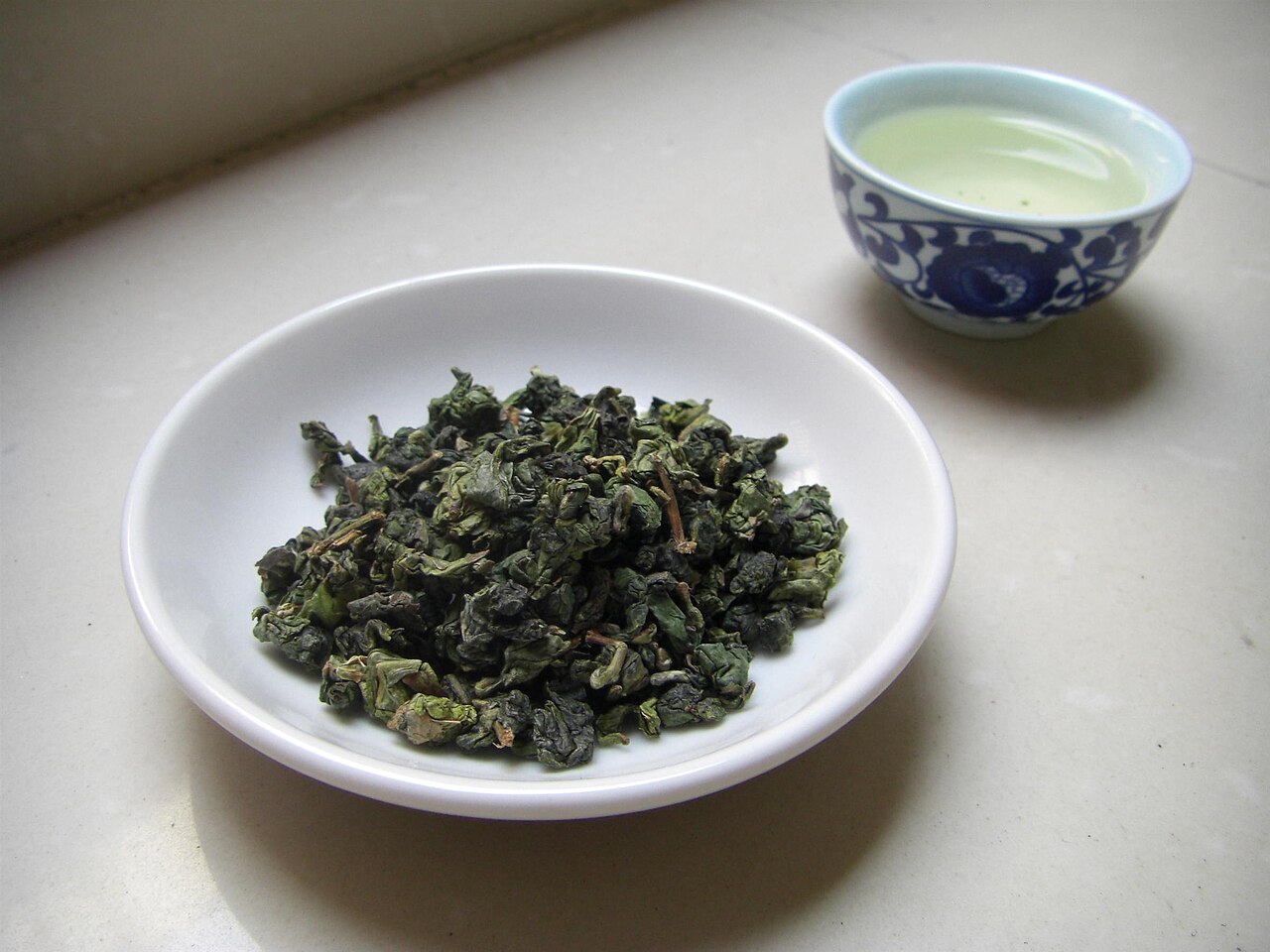
The clipper route is associated with lapsang souchong, Wuyi rock tea, Keemun black tea, Fuzhou jasmine tea, white peony and Baimudan. These are trade categories, not a manifest for every ship. The Fuzhou trade included black tea, green tea and scented tea; the premium attached to “first new season” did not mean that all cargo was of the same grade. Buyers in London blended and repacked tea, so the ship’s cargo and the tea in a shop’s chest were not the same thing.
Linked tea entries:
- Zhengshan Xiaozhong
- Qimen black tea (core area)
- Fuzhou jasmine tea
- Fuding Baimudan
- Fuding Bailin Gongfu
- Qingxiang Tieguanyin
- Dahongpao
Visiting note
The route is oceanic and cannot be walked. Fuzhou, Hong Kong, Singapore, Cape Town and London have maritime museums or historic docks that interpret the trade. Cutty Sark, built in 1869 and now preserved at Greenwich, is the best-known surviving tea clipper; she is a later ship than the 1866 race and should not be treated as a participant in it.
Sources and status
This English article is a full English edition of the Chinese route record, checked against Royal Museums Greenwich material on Cutty Sark, the tea trade and the 1866 race. It is marked reviewed for bilingual source-check and claim-boundary purposes on 2026-11-22. Race timings are given as the recorded arrival times; the article does not repeat unverified claims about prize money or a precise twenty-minute margin.