Overview
The Fujian–Guangdong tea road is not one continuous highway. It is a network of mountain paths, river boats and coastal shipping that connected the tea districts of northern and central Fujian with the markets and ports of eastern Guangdong. The shared table records nine nodes over about 900 kilometres, from Chishi in the Wuyi Mountains to Guangzhou, by way of Jianyang, Nanping, Sanming, Longyan, Meizhou, Chaozhou and Shantou.
The route matters because it links production to consumption and export. Wuyi rock tea, Anxi Tieguanyin and Fuding white tea moved south; gongfu tea practice moved with them; and Chaozhou, Shantou and Guangzhou connected the interior to Southeast Asia and the wider world. The diagram is a reading aid, not a modern navigation track.
History and background
Tea has been traded across the Wuyi–Guangdong corridor for centuries, but the route’s shape changed with transport. Mountain paths were used where rivers did not reach; the Min and Han river systems carried chests and passengers; and coastal ports handled the final leg. The old record describes a Ming–Qing trade pattern, when Wuyi rock tea and Anxi oolong were already established commodities.
Wuyi Mountain sits at the northern end. Its cliffs, ravines and damp climate produce the “rock rhyme” associated with Wuyi rock tea. The old record names Dazhongpao, Tie Luohan and Bai Jiguan among the famous bushes; these are cultivar and brand names within a broader Wuyi rock tea category, not four separate tea types. Jianyang, the second node, was a kiln town known for Jian ware and a transit point where smaller river craft gave way to larger boats.
Nanping, at the confluence of the Jian and Futun rivers, was a collecting market. Sanming and Longyan carried the route across the interior; Longyan was the last major Fujian stop before the Guangdong border. Meizhou, the “capital of the Hakka world,” sits on the Mei River and the Han River system; its Hakka communities developed their own tea and food traditions. Chaozhou is the cultural centre of gongfu tea, and Shantou, opened as a treaty port in 1860, became a major emigration and export port. Guangzhou, the terminus, was the great southern gateway; under the Canton system, foreign trade was channelled through the city from 1757 to 1842.
The gongfu tea connection is real but should not be overclaimed. The route carried tea and tea culture, but the precise transmission of brewing styles between Fujian and Chaozhou is a matter of regional history, not a single dated event. The old record’s colourful stories about “three cups” and “general reviewing the city” are descriptions of Chaozhou practice, not evidence that every merchant travelled with a tea set.
Route and scope
The nine nodes run from Chishi (0 km, about 350 m) through Jianyang (80 km), Nanping (160 km), Sanming (280 km), Longyan (420 km), Meizhou (560 km), Chaozhou (680 km), Shantou (720 km) and Guangzhou (900 km). The cumulative distances are historical estimates. The route combines footpaths, river boats and sea carriage; it is not a single walking trail.
Stations
The stations below use the same node_id as the route fact table. The map and elevation profile are reading aids, not a substitute for field data.
01 · Chishi, Wuyi Mountains
Chishi was a river landing below the Wuyi cliffs. Tea from the surrounding gardens was packed and loaded onto boats on the Chongyang River. The old record describes the spring rush after Qingming, when chests and buyers crowded the landing. The landscape is now a heritage and tourism area; the working tea economy has moved, but the connection between cliff gardens and river transport remains legible.
02 · Jianyang
Jianyang was a river town and a kiln centre. Jian ware, the dark-glazed tea bowls of the Song dynasty, is part of the region’s material culture; the old record also calls it a transit point for Wuyi tea. The route here moves from small mountain craft to larger river boats, a pattern repeated across the corridor.
03 · Nanping
Nanping sits where the Jian and Futun rivers meet the Min. It was a collecting and sorting market: tea from Wuyi, Zhenghe and Songxi could be gathered, graded and sent on. The town’s role was logistical rather than agricultural. A route page should distinguish between the gardens, the market towns and the ports, because each had a different function in the trade.
04 · Sanming
Sanming is an interior river town in the Daiyun Mountains. The old record treats it as a passage between northern and southern Fujian. The terrain is a reminder that the “road” was often a sequence of valley paths and river ferries rather than a surveyed highway.
05 · Longyan
Longyan was the last major Fujian stop before Guangdong. The old record says merchants changed to Guangdong mule trains here and moved through Yongding and Dabu into Meizhou. Longyan also produces Zhangping Shuixian, a compressed oolong cake; that local specialty is a reminder that the route passed through producing areas, not only through transit towns.
06 · Meizhou
Meizhou is a Hakka cultural centre on the Han River system. Hakka communities spread across Guangdong, Fujian and Jiangxi, and their tea practices include lei cha, a pounded tea drink with herbs, nuts and grains. The old record’s image of tea chests moving downriver to Chaozhou is plausible for the river sections; the overland alternatives depended on season and security.
07 · Chaozhou
Chaozhou is the great centre of gongfu tea in eastern Guangdong. Small teapots, three small cups and a tightly packed leaf are the familiar markers. The old record’s phrase “three cups are one tasting” describes a social convention, not a universal rule. Chaozhou’s own Fenghuang Dancong, grown on the Phoenix Mountain, is a different tea from the Wuyi and Anxi teas that arrived by trade; the route brought them into the same market.
08 · Shantou
Shantou was opened as a treaty port in 1860 and became a major port for Chaoshan emigration and trade. Tea from Fujian and Guangdong could be shipped to Singapore, Bangkok, Penang and other Southeast Asian markets. The old record’s claim that “wherever there are Chaoshan people, there is gongfu tea” is a cultural generalization, but the connection between migration and tea retail is well documented in the region’s food history.
09 · Guangzhou
Guangzhou was the southern terminus and the great export gateway. The old record stresses the Canton system, when foreign trade was restricted to Guangzhou between 1757 and 1842. Tea from Fujian could reach the city by inland routes or coastal shipping, then be exported through the Pearl River. The city’s tea merchants, warehouses and foreign factories formed a different layer of the trade from the mountain carriers and river boatmen.
Trade teas
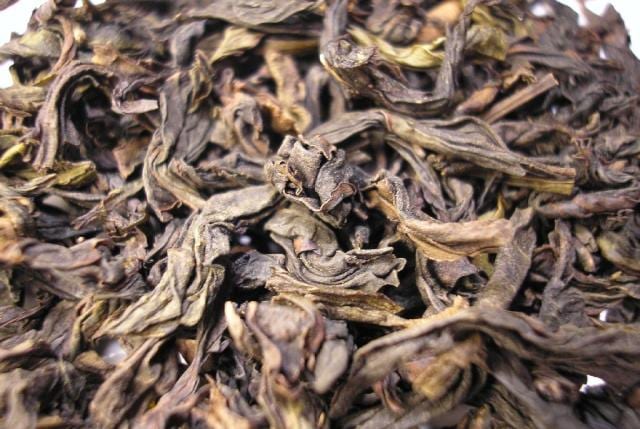
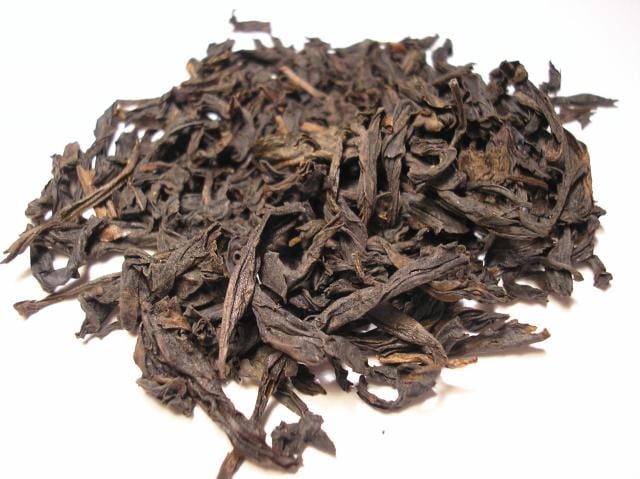
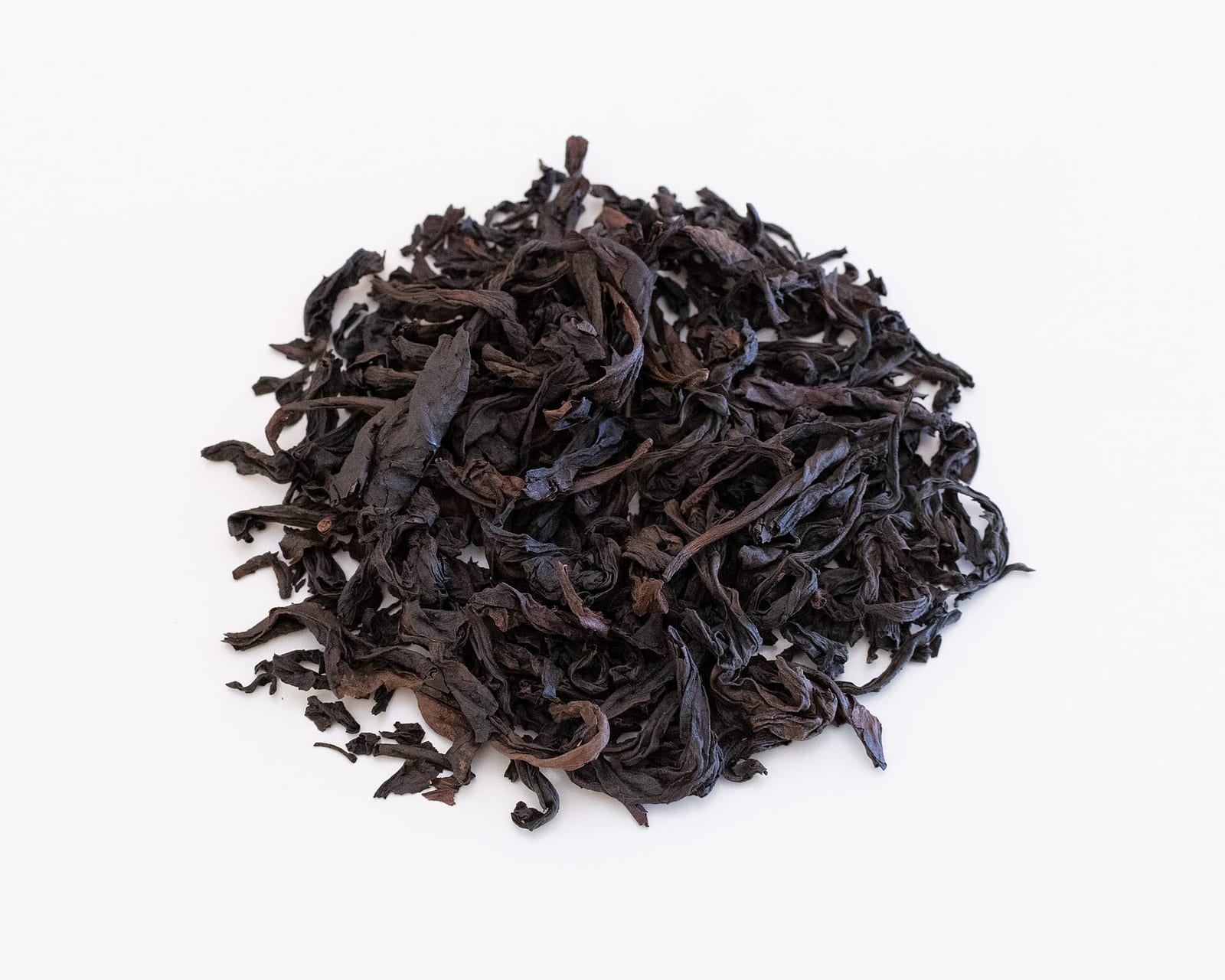
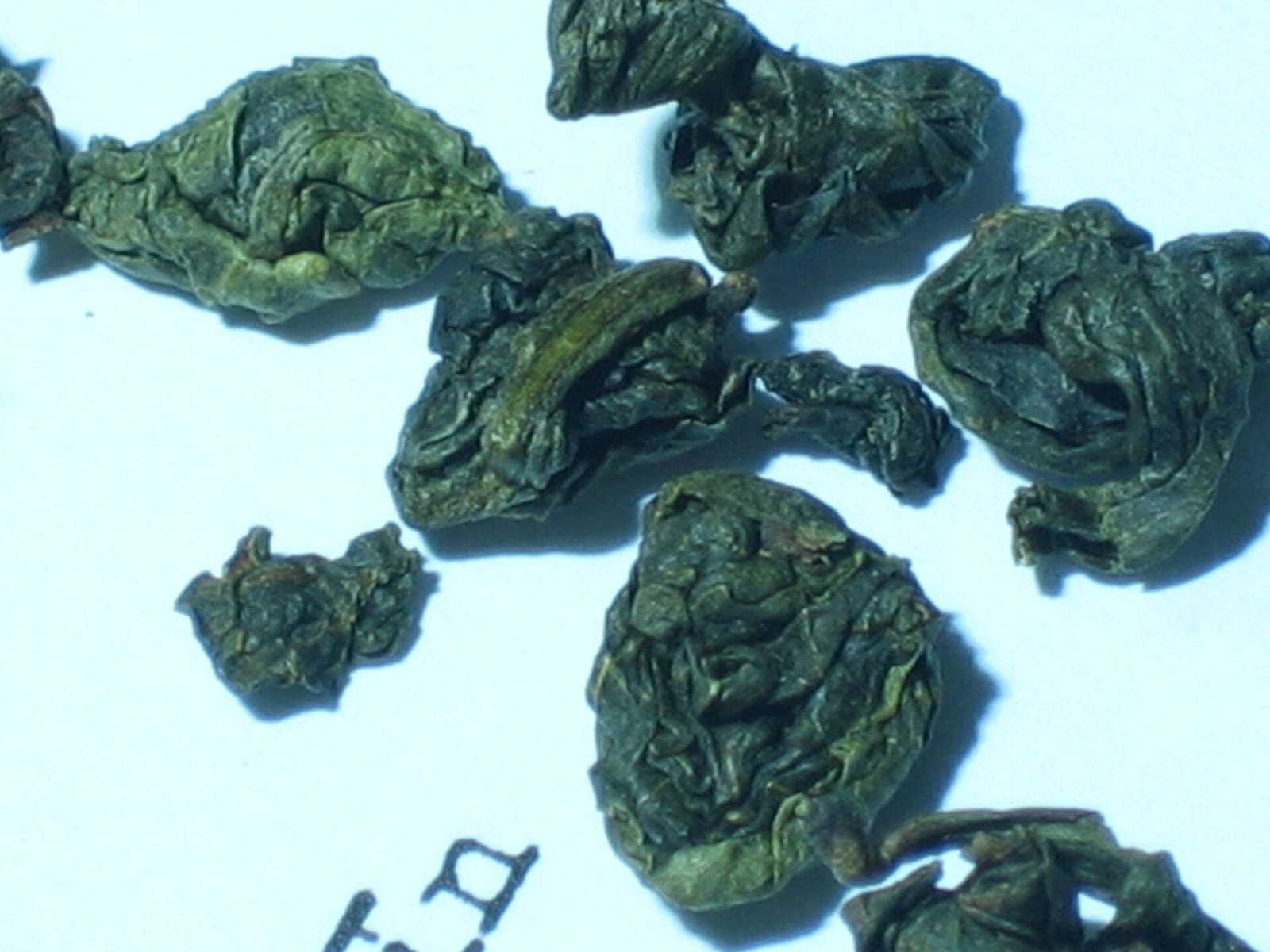
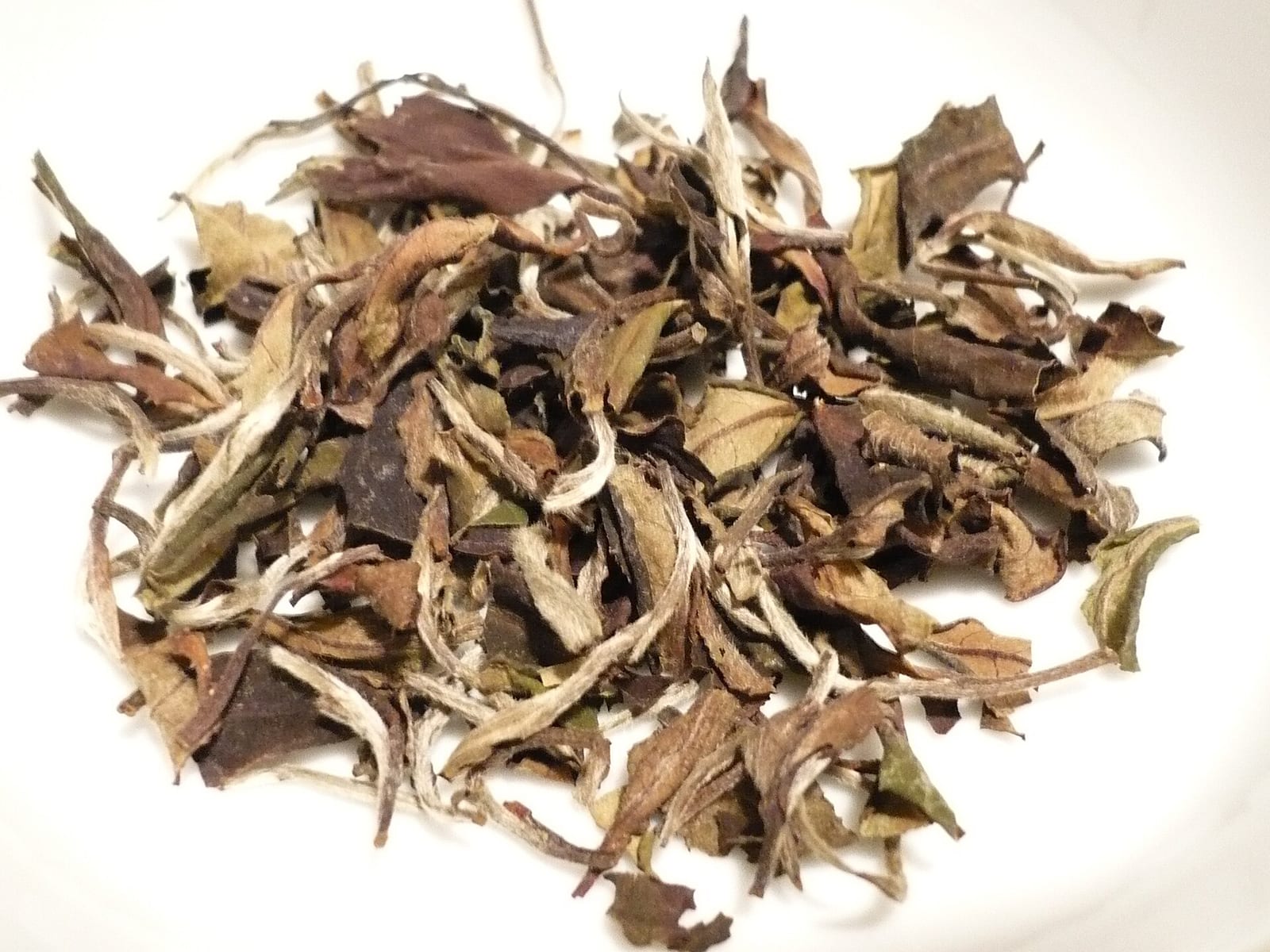
The corridor is associated with Wuyi rock tea (Dahongpao, Rougui, Shuixian), Anxi Tieguanyin, Fenghuang Dancong and Fuding white tea (Baimudan). These are broad categories. A route association does not mean that every node produced every tea, and the old record’s list should be read as a trade mix rather than a station-by-station inventory.
Linked tea entries:
Visiting note
The route is a historical network, not a preserved trail. Wuyi, Jianyang, Nanping, Chaozhou, Shantou and Guangzhou can be visited by rail; the mountain and river sections are fragmented. The diagram is not a navigation aid, and the distances are historical estimates.
Sources and status
This English article is a full English edition of the Chinese route record, checked against UNESCO’s Mount Wuyi listing, the Fujian provincial government portal and the Guangdong provincial government portal. It is marked reviewed for bilingual source-check and claim-boundary purposes on 2026-11-22. Specific claims about trade volumes, exact boat times and the number of historic tea pavilions have been left out or bounded because the accessible sources do not support them.