Overview
This route is not one road but a composite: the tea country around Uji and Fushimi, the Tokaido highway from Kyoto to Edo, and the smaller paths that connected gardens, markets and river ports. The shared table records nine nodes over about 500 kilometres, from Uji to Nihonbashi. The diagram orders them for reading; it does not reproduce a single historical itinerary.
The distinction matters. Sanjo Ohashi in Kyoto was the formal starting point of the Tokaido, while Uji and Fushimi lay south of the city in the tea-producing country. A merchant taking Uji tea to Edo would not have begun at Uji and then walked back through Kyoto in a straight line. The route was a network: growers sent tea to processors and brokers, packers moved it to the highway, and travellers and couriers carried it east.
History and background
Tea reached Japan from China in the Heian period, but it was in the Kamakura and Muromachi periods that cultivation and tea practice took root in the Kyoto region. Uji, south of the city, became the best-known tea landscape. By the Muromachi period the Ashikaga shoguns were patronising Uji tea, and by the late sixteenth century the tea ceremony had become a central part of elite culture.
The Edo period, conventionally dated 1603–1868, changed the scale. The Tokugawa shogunate established a capital at Edo, and the Tokaido became the main highway between the old imperial city and the new political centre. Daimyo processions, merchants, pilgrims, mail and official traffic moved along it. Tea houses and teahouses grew up at the post stations. Uji tea, matcha and sencha were shipped east, while Shizuoka and other regions developed their own production.
The aesthetic that travelled with the tea was shaped by Sen no Rikyū (1522–1591). Rikyū never walked the Tokaido himself, but the wabi-sabi tea he defined moved east through his disciples, who opened tea rooms in Edo and carried Kyoto’s tea culture into warrior society. His four principles — harmony (wa), respect (kei), purity (sei) and tranquillity (jaku) — became the spiritual core of the Japanese tea ceremony. The Tai-an tea room, a space of only two tatami mats, became a prototype for the austere tea architecture that spread along the highway.
The road also entered art through Utagawa Hiroshige (1797–1858). His series The Fifty-three Stations of the Tokaido consists of fifty-five prints: the fifty-three post stations plus Kyoto at the start and Edo at the end. Several scenes show travellers resting with tea at teahouses — in the mountains at Hakone, by the sea at Numazu, and in the Edo-adjacent houses at Shinagawa. These are artistic records of the road’s tea culture, not photographic evidence of a particular shop.
In the later Edo period another tea practice arrived from China: senchadō, the way of steeped leaf tea. The Ōbaku Zen monk Ingen Ryūki (1592–1673) brought it to Japan, and Manpuku-ji, the temple he founded at Uji, became a cradle of the tradition. Unlike matcha, which is whisked as powder, senchadō steeps whole leaves and sits closer to the literati tea of Ming and Qing China. Along the Tokaido, writers and artists set up tea rooms beside the stations, combining tea with Chinese poetry and woodblock prints.
Uji’s standing as the spiritual home of Japanese tea is older still. In 1191 the Rinzai patriarch Eisai brought tea seeds back from Song China and planted them successfully at Uji; from that base the district became synonymous with the highest grade of matcha. The Tsuen tea shop beside Byōdō-in, founded in 1160, is described as Japan’s oldest tea shop. During the Edo period Uji matcha was long treated as a premium and tribute tea, and the old record notes a custom of visiting Fushimi Inari before the first new tea set out. Uji’s modern tea identity was further shaped by two later innovations: Nagatani Sōen’s steamed, hand-rolled sencha method of 1738, and the adaptation of shade cultivation for gyokuro in 1835.
Shizuoka, on the eastern side of the route, became the country’s largest tea-producing region; the old record puts its share at roughly forty per cent of Japanese production. Its gyokuro is shaded for about twenty days before picking, which raises amino acids and produces a sweet, nori-like aroma.
The Chinese record speaks of “tea express” couriers reaching Edo in three days. That figure should be treated cautiously. Relay couriers and official messengers could indeed travel faster than ordinary walkers, but the Tokaido had checkpoints, river crossings, weather and seasonal delays. This article therefore says that relay couriers could be faster than a walking traveller, without fixing a precise number of days.
Route and scope
The table’s nine nodes run from Uji through Fushimi Inari, Otsu, Sanjo Ohashi, Hakone, Numazu, Shizuoka, Shinagawa and Nihonbashi. The cumulative distance is about 500 kilometres, and station elevations range from roughly 10 to 100 metres. Those figures describe the recorded nodes, not a surveyed walking route.
The Tokaido was a highway of the Edo period, and much of its alignment has since been overlain by roads, railways and cities. The route is best read as a historical geography: post stations, bridges, checkpoints, tea shops and port towns. It is not a continuous modern trail, and the diagram is not a navigation aid.
Stations
The stations below use the same node_id as the route fact table. The map and elevation profile are reading aids, not a substitute for field data.
01 · Uji
Uji is the tea country’s anchor. The Byōdō-in’s Phoenix Hall stands beside the Uji River, and the surrounding hills held gardens producing matcha and, later, sencha and gyokuro. Uji was not simply a source of leaves; it was a place where cultivation, shading, steaming, rolling and grading were refined. The old record’s claim that the first tea of the season was blessed at Fushimi Inari before departure is a local tradition, not a documented annual procedure.
02 · Fushimi Inari
Fushimi Inari Taisha is the great shrine of Inari, a deity associated with rice, commerce and prosperity. Its tunnels of vermilion torii are a modern visitor icon, but the shrine’s historical importance lay in the surrounding town and its links to trade and transport. Tea merchants and travellers had reasons to stop here; the station narrative turns that into a departure ritual, which should be understood as legend and local memory rather than a recorded custom.
03 · Otsu
Otsu sits at the southern end of Lake Biwa and was the first post station on the Tokaido after leaving Kyoto. It was a port and a gateway: goods could move by lake boat, and travellers could rest before the climb toward Hakone. The station’s lakeside teahouses are part of the highway’s service economy, not tea gardens in the production sense.
04 · Sanjo Ohashi
Sanjo Ohashi is the formal starting point of the Tokaido. A stone marker at the bridge’s east end announces the highway, and the bridge was a gathering place for travellers, merchants and couriers. The tea shop Ippodo, founded in the eighteenth century and still operating in Kyoto, is often cited in this connection; it is a useful reminder that tea retail and tea production are different parts of the chain. The bridge is in the city, not in the tea fields.
05 · Hakone
Hakone was a barrier and a mountain passage. The Tokugawa shogunate maintained a checkpoint here, where travellers and goods were inspected. Tea chests could be opened and checked; smuggling was a serious offence. The station’s modern identity is dominated by hot springs, lake views and the woodblock-print image of the waves at Kanagawa, but the historical function was control and transit.
06 · Numazu
Numazu sits on the coast of Suruga Bay. For a traveller on the Tokaido it was a fishing town and a place to rest, not a tea-producing centre. The station narrative’s dried squid and sencha is a pleasing image of travel food, but it should not be mistaken for a documented local specialty of the tea trade.
07 · Shizuoka
Shizuoka is one of Japan’s largest tea-producing regions. The prefecture’s official tea page presents it as a leading producer, and its gardens are known for sencha and, in specific areas, gyokuro. The claim that Shizuoka accounts for “more than 40 per cent of Japan’s tea area” is sometimes repeated; production share and area share are different measures, and this article avoids turning either into a fixed statistic. What matters for the route is that Shizuoka was a major supply region on the eastern side of the Tokaido, not merely a stopover.
08 · Shinagawa
Shinagawa was the last post station before Edo. Travellers arriving from the west could find lodgings, baths and teahouses here before entering the city. For tea merchants, it was a place to reorganise chests, settle accounts and prepare for the Edo market. The station’s name survives in modern Tokyo, but the old highway landscape has largely disappeared.
09 · Nihonbashi
Nihonbashi was the terminus of the Tokaido and, in the Edo period, the symbolic centre of the city’s merchant world. The bridge marked the starting point of the five highways, and the surrounding districts held fish markets, warehouses and shops. Tea arriving from Kyoto and Shizuoka was sold, blended, repacked and distributed through these commercial networks. The route ends here not because tea stopped moving, but because it entered the city’s wholesale and retail system.
Trade teas
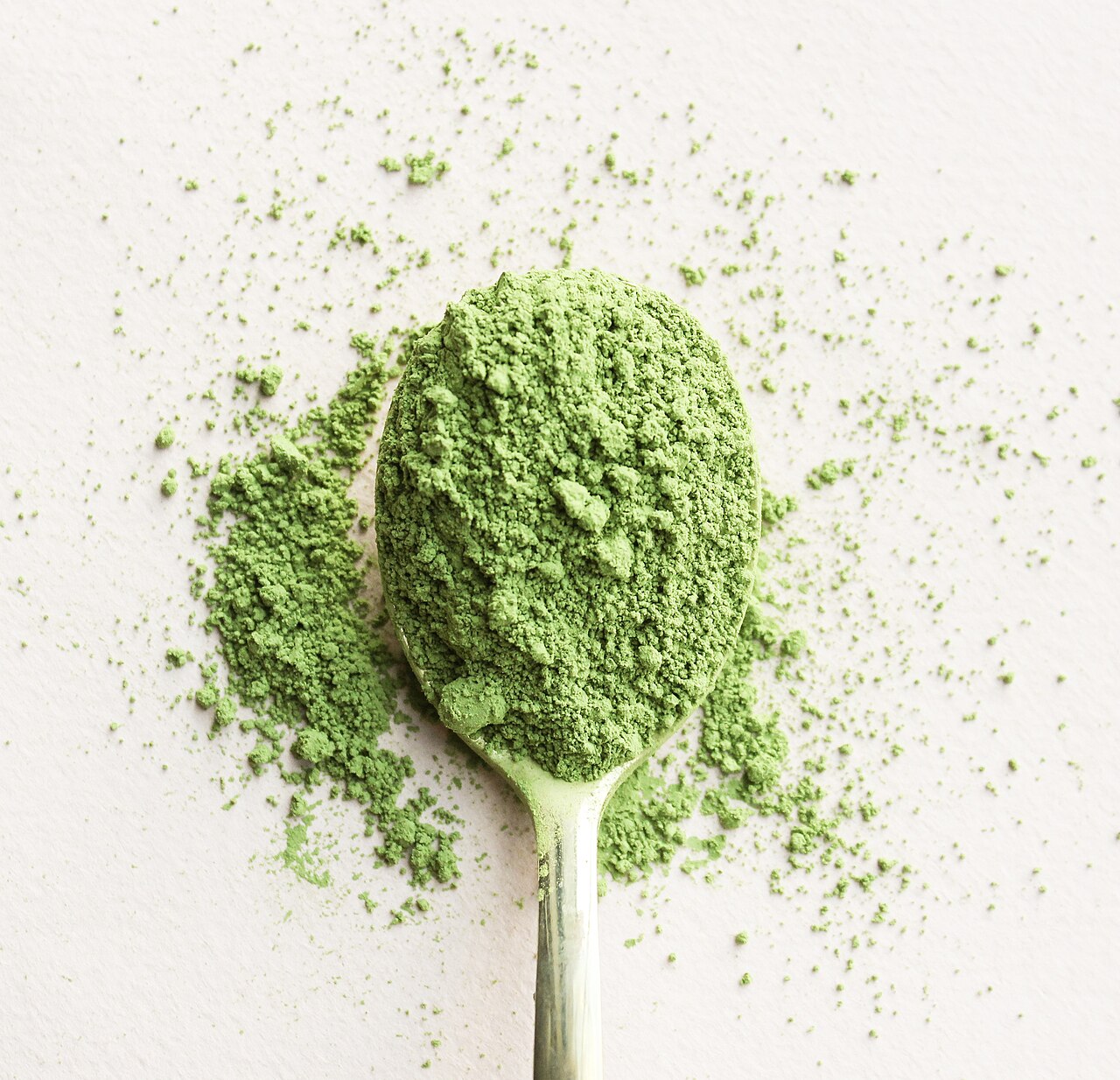
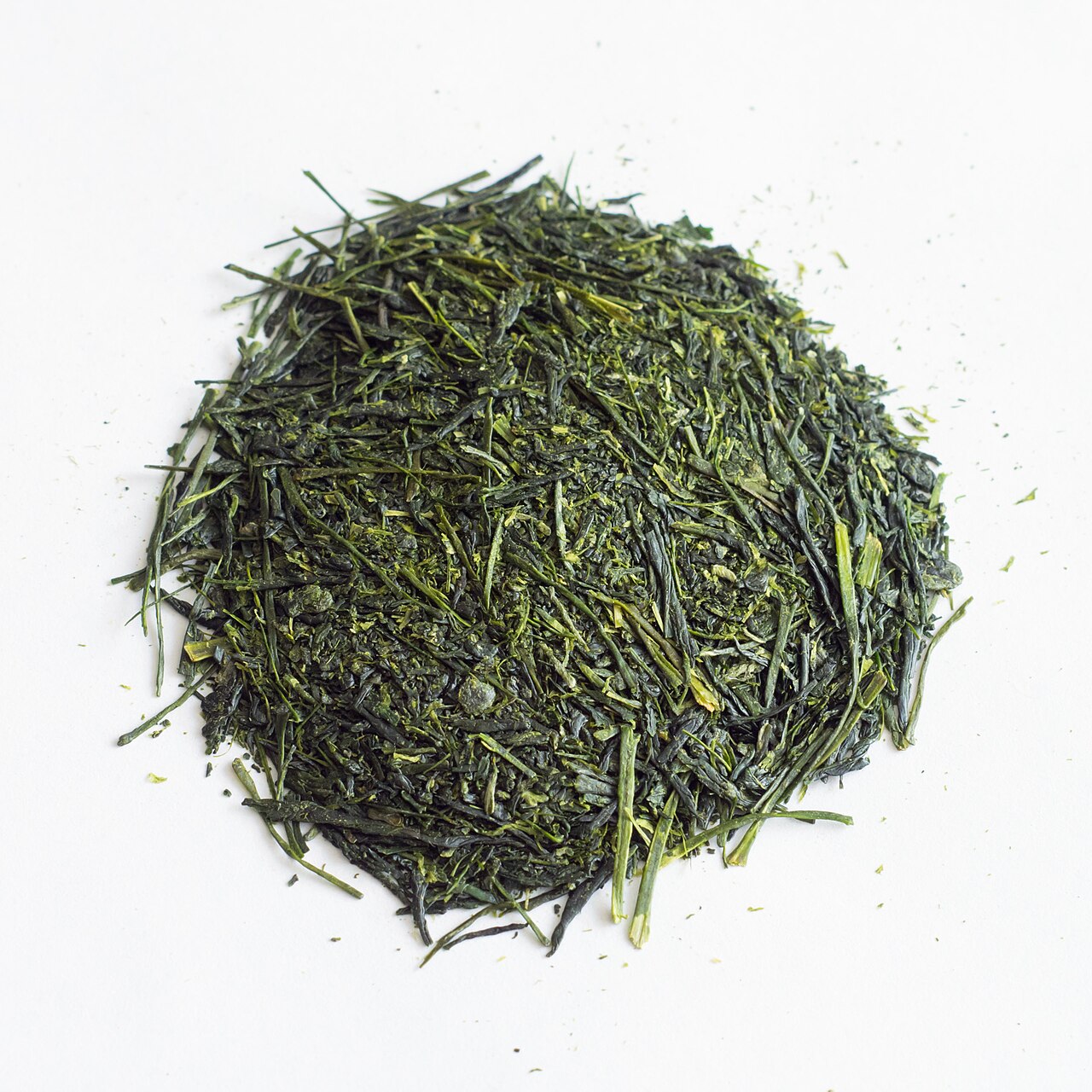
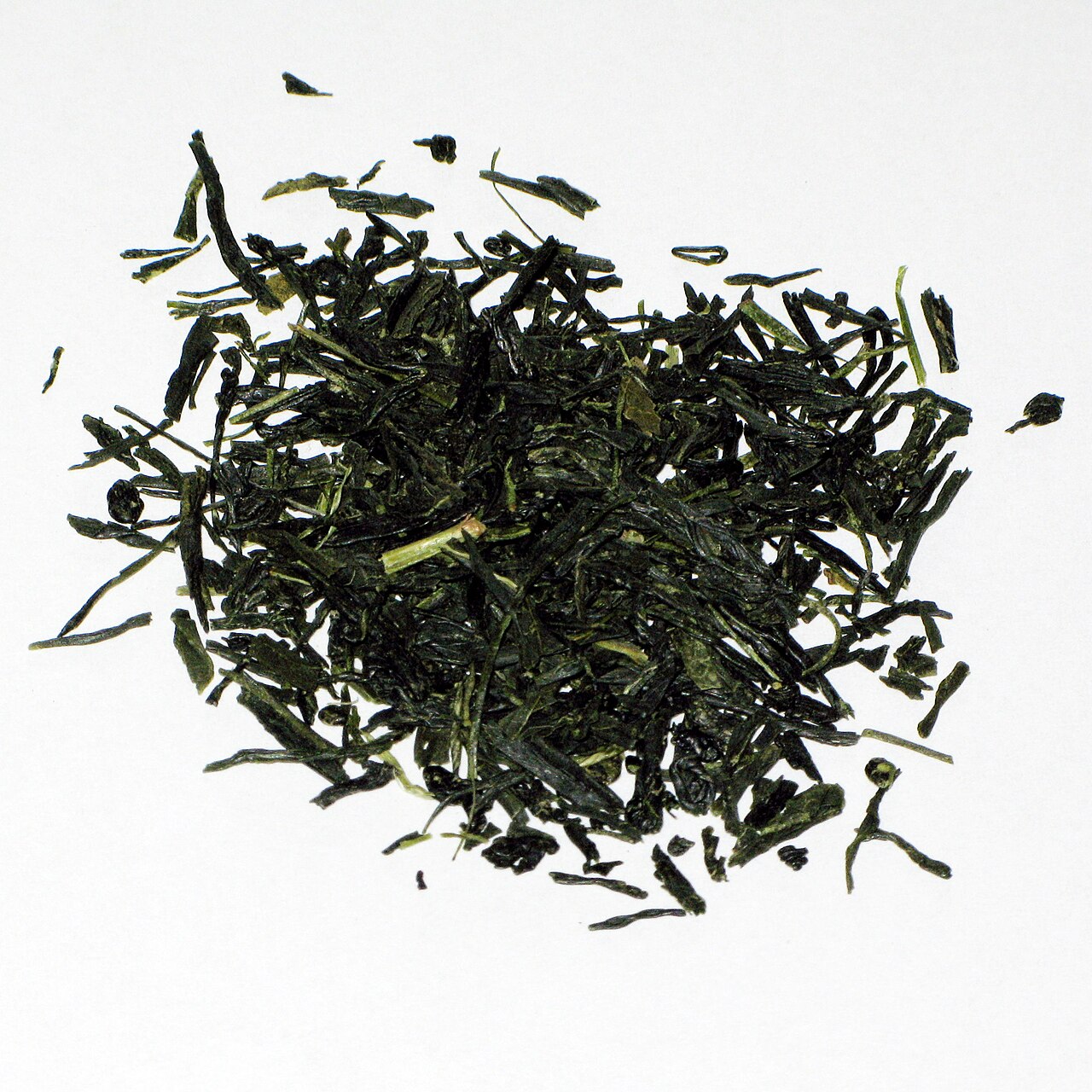
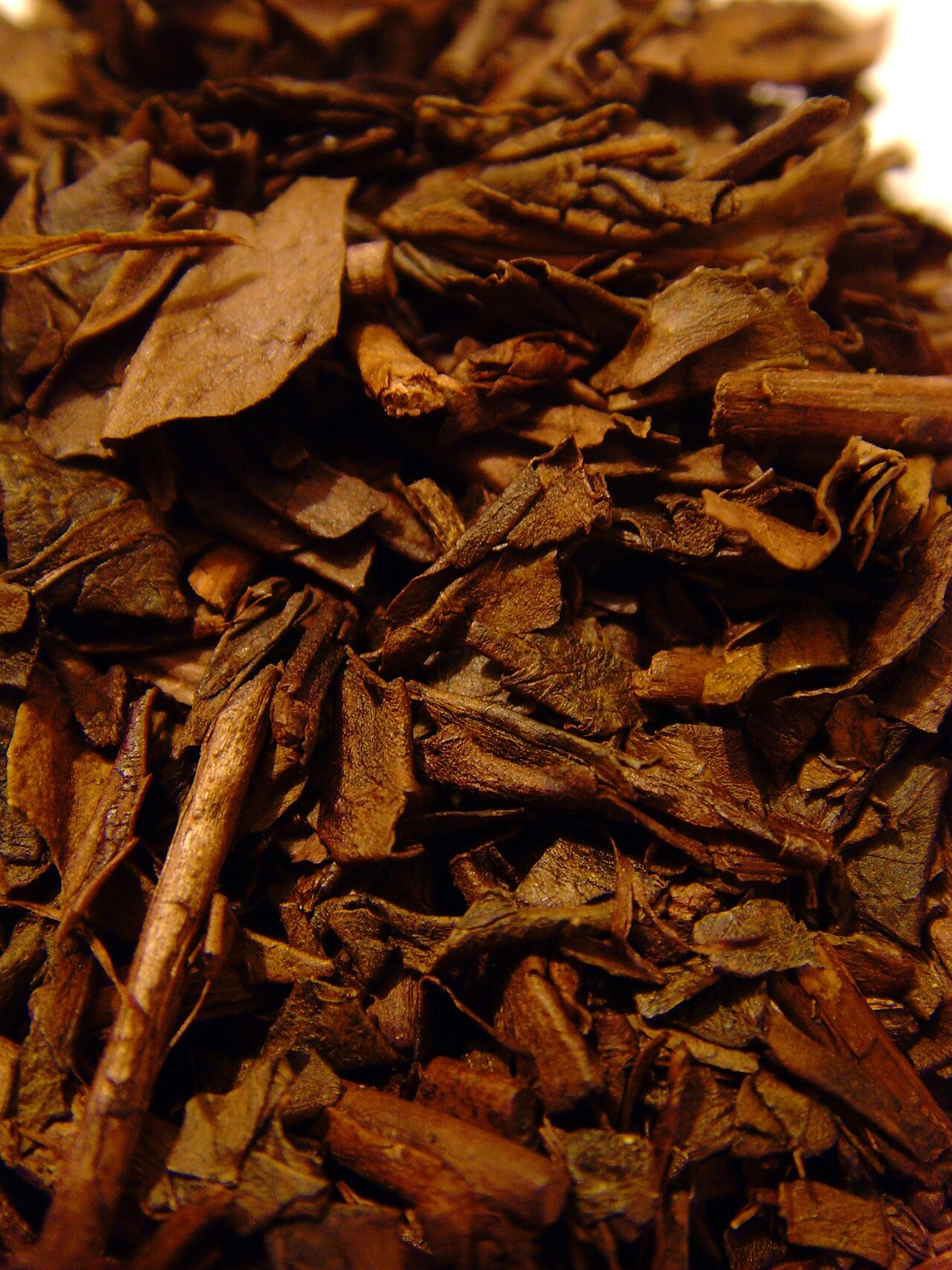
The corridor is associated with Uji matcha, Uji gyokuro, Uji sencha, hojicha, genmaicha and Shizuoka sencha. These are broad categories. Matcha is shaded tea ground into powder; gyokuro is shaded leaf tea; sencha is unshaded or lightly shaded leaf tea. A route association does not mean that every station sold every style, and it does not establish modern brand names or garden-specific claims.
Linked tea entries:
Visiting note
The Tokaido is a historical highway, not a preserved long-distance trail. Some sections can be walked, but they are fragmented and often follow modern roads. Uji, Fushimi, Otsu, Hakone and Shizuoka can be visited by rail. The diagram’s node order is thematic; travellers should plan by current transport rather than by the sequence on the page.
Sources and status
This English article is a full English edition of the Chinese route record, checked against the Kyoto Prefecture Tea Industry Conference, Kyoto Tourism, Shizuoka Prefecture’s tea brand and the migrated station table. It is marked reviewed for bilingual source-check and claim-boundary purposes on 2026-11-22. Claims about exact courier times and court patronage have been softened where the sources do not support a precise figure.