Overview
The Kyrgyz Pamir tea road is a cross-border mountain trade corridor, not a single unchanging ancient road. It runs from Kashgar in Xinjiang through the Irkeshtam pass to Osh in southern Kyrgyzstan, then north through Naryn and Bishkek, west into Uzbekistan at Tashkent, and finally to Samarkand. The shared table records seven nodes and a cumulative distance of about 800 kilometres; this is a historical caravan estimate, not a modern road distance.
"Pamir" here is a broad historical-geographical label. The recorded route mainly crosses the Pamir-Alai highlands and the edge of the Fergana Basin rather than staying entirely on the high Pamir plateau above 4,000 metres. Irkeshtam, Osh and the Fergana valley are the key entrances and exits. Calling the whole route a "death road on the roof of the world" obscures its real shape as a seasonal trade network.
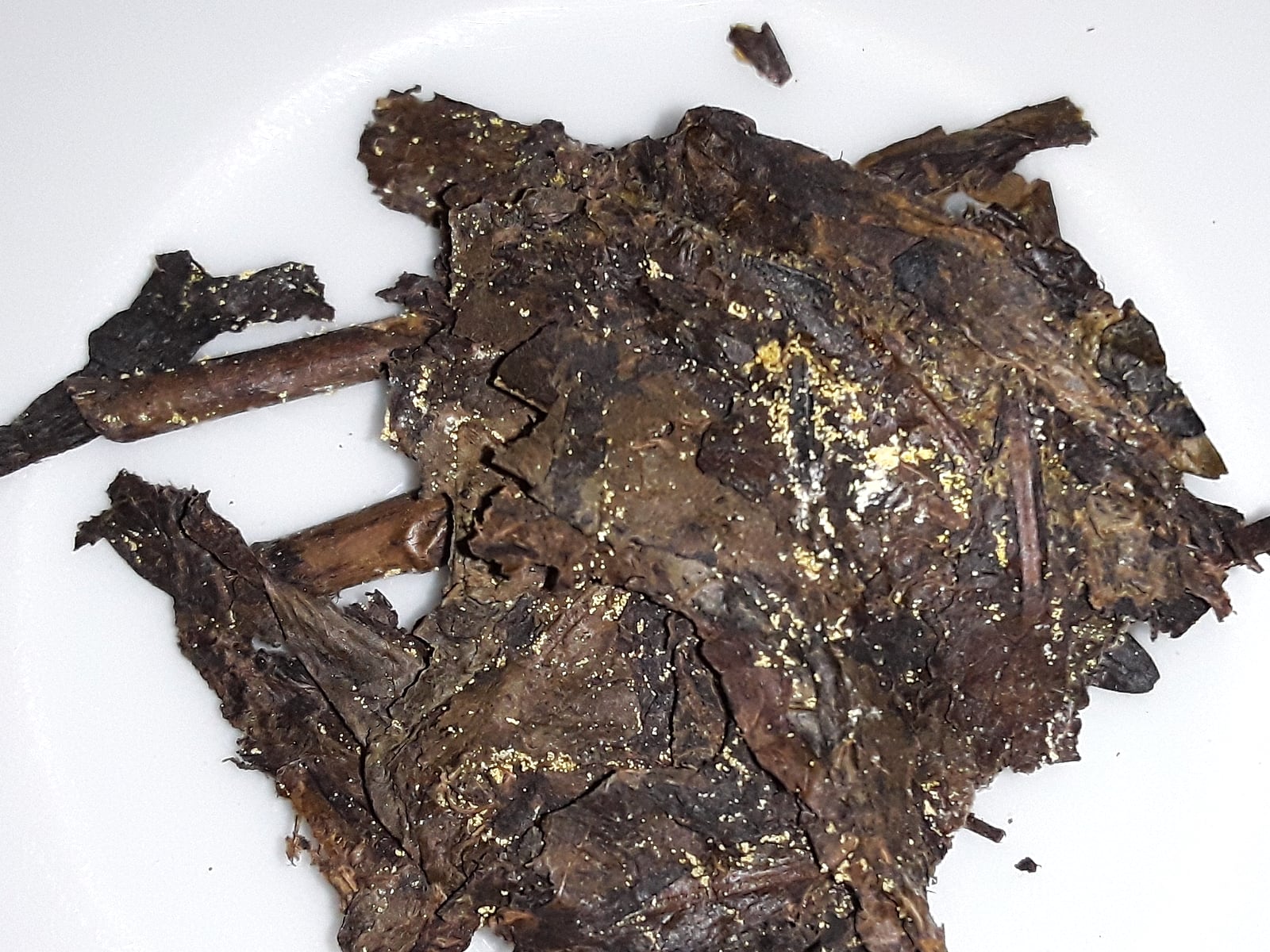
Tea was one important cargo, but not the only one. Brick tea, cotton cloth, livestock, dried fruit, grain, silk and porcelain moved together. For pastoral households, brick tea was portable and durable: it could be broken up, boiled with milk and salt, and turned into salted milk tea. For caravans, it was a compressed commodity that could be traded.
History and background
Kashgar and the gateway to Central Asia
Kashgar (Kashgar/Kashi) is an oasis city at the western edge of the Tarim Basin, where the southern Tian Shan route meets roads toward the Pamirs. Trade between Kashgar, the Fergana valley and Samarkand continued through the Qing period and later; tea, silk, cotton cloth, dried fruit and livestock were exchanged in its markets. The old record says that Uyghur elders brewed milk tea from fu brick tea and that "the fragrance of tea has never stopped for a thousand years". That is a vivid image, but "a thousand years without interruption" cannot be verified. A safer statement is that tea has long been present in Kashgar's daily food culture and multi-ethnic exchange, while the exact starting date lacks a single piece of evidence.
West of Kashgar, Irkeshtam is one of the main passes. The old record calls it China's westernmost border post and a place where tea was declared for export. Today it is a border crossing; historically it was a corridor for caravans crossing the Pamir-Alai. Border posts, customs rules and military geography are layers of different eras, and modern border management should not be projected directly onto ancient caravans.
Osh and the Fergana Basin
Osh lies at the southern edge of the Fergana Basin and is Kyrgyzstan's second-largest city. UNESCO's description of Sulaiman-Too says that in medieval times Osh was one of the important cities of the Fergana valley, at the crossroads of major Central Asian Silk Road routes, and that the sacred mountain was a beacon for travellers for at least a millennium and a half. The old record says Osh has "3,000 years of history, older than Rome". That figure is common in tourism writing but lacks a consistent archaeological definition; this page does not adopt it.
The Osh bazaar is one of the region's important trading markets. The old record calls it "Central Asia's largest open-air market" and "the most important transit point on the Pamir tea road". Both superlatives are too absolute. A more accurate statement is that the Osh bazaar is a major regional collection and distribution point for tea, dried fruit, spices, cloth and household goods; whether it is "the largest" depends on the measure and the season.
Tian Shan, Naryn and Bishkek
North of Osh, the route enters the Tian Shan. Naryn lies in the Naryn valley at about 2,000 metres and is an important centre of mountain pastoralism. In summer, herders move livestock to high pastures; yurts, pastures and mountain camps become the setting for tea, milk, meat and flour. Salted milk tea here is not a "speciality drink" but a high-calorie, easy-to-prepare and hospitable everyday food.
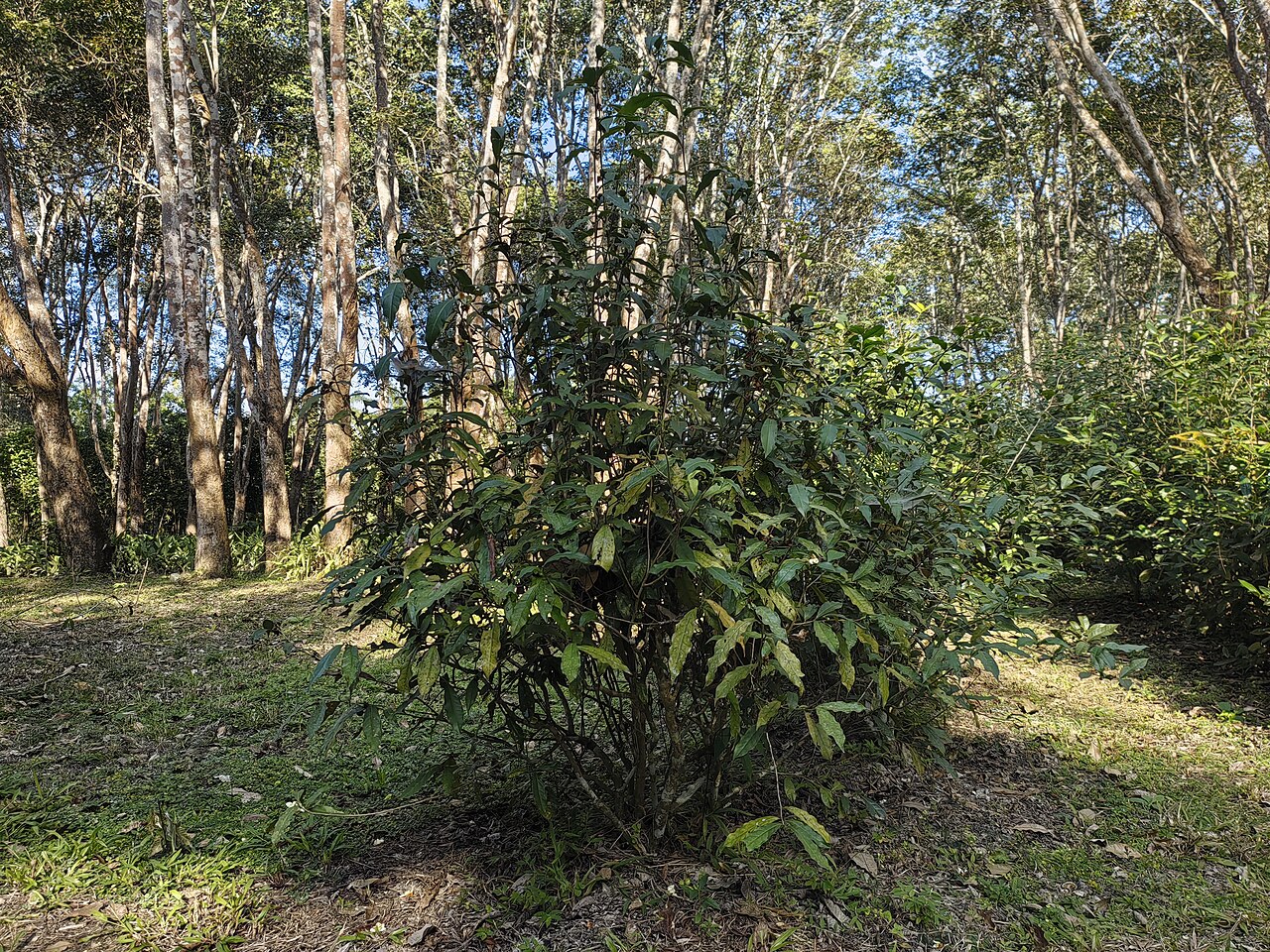
Bishkek lies in the Chuy valley and is the capital of Kyrgyzstan. The old record says that "in the tea gardens below the Ala-Too, the aromas of milk tea and fermented mare's milk interweave". That sentence can easily suggest commercial tea gardens around Bishkek. Bishkek is not a tea-producing area; its surroundings are important for Chuy valley agriculture, Silk Road sites and Soviet-era urban fabric. The Burana and Ak-Beshim sites belong to the wider Chang'an–Tianshan World Heritage network, but that does not make "Suyab is in the city" or "Li Bai was born here" settled facts.
Tashkent and Samarkand
Tashkent is the capital of Uzbekistan and a major Central Asian transport and commercial centre. Chorsu Bazaar is one of the city's most representative traditional markets, where tea, dried fruit, spices, bread and dairy products are concentrated. The old record describes "teahouses converted from caravanserais, where people drink milk tea while listening to akyns". That is a touristic scene; akyn performance belongs to Kazakh oral tradition and cannot simply be transplanted into everyday Tashkent teahouses.
Samarkand was the capital of the Timurid empire and was inscribed as "Samarkand — Crossroad of Cultures" on the UNESCO World Heritage List in 2001. The Registan, the Gur-e-Amir mausoleum and the Bibi-Khanym Mosque form the core of the city's monuments. Tea was not produced here; it arrived as a commodity from the east. Bazaars, teahouses and caravanserais were the interfaces through which it entered urban life.
Salted milk tea and hospitality
The basic method of Central Asian salted milk tea is to break brick tea into pieces, boil it in water, strain the leaves, add milk or sheep's milk, salt, and sometimes butter, cream or roasted flour. Recipes vary greatly by region; southern Kyrgyzstan tends to prefer green tea, while the north more often drinks black tea, and the proportions of salt, milk and fat change with household and season. The old record calls the drink "ak-chai" (white tea) and says that the hostess would pray beside the stove. The name can be kept as a local usage; the prayer is a specific household practice, not a universal Kyrgyz ritual.
Tea is usually served in a handleless porcelain bowl called a piala. Tourism guidance notes that the bowl should not be filled to the brim: a half-full bowl signals that the guest is welcome to stay longer; the eldest person is served first; guests should accept the tea offered. These customs vary by household, but the core idea that "tea is the first step of hospitality" is quite stable.
The road today
Today the Pamir Highway (M41) and the Irkeshtam crossing have turned the old caravan route into a modern transport line. Goods between Osh, Naryn, Bishkek, Tashkent and Samarkand move mainly by truck and rail, not by camel. Tea remains an everyday consumer good in Central Asian homes and teahouses, but the supply chain is global: Chinese brick tea, Indian black tea, Kenyan black tea, Sri Lankan tea and UAE blended tea may all appear in the same market.
The contemporary meaning of this tea road is not the recovery of one "correct" caravan itinerary. It is the complementarity between mountains, oases and steppe. Tea moves from oasis cities into the grasslands; milk and meat move from the grasslands into the cities; salt, cloth and metalware move in other directions. The tea road is one section through that relationship.
Route and scope
Kashgar, Xinjiang → Irkeshtam Pass → Osh → Naryn → Bishkek → Tashkent → Samarkand (endpoint).
Legacy difficulty: hard — Tian Shan and Pamir-Alai passes, high altitude, severe cold and thin air.
Legacy distance: about 800 km.
Legacy duration: about one month one way by camel caravan.
Legacy best season: May–September, when the high pastures are relatively warm; snow closes many passes in other seasons.
Terrain: Tian Shan and Pamir-Alai mountain pasture, average elevation about 3,000 m.
Stations
The stations below use the same node_id as the shared route table. Maps and elevations are reading aids, not a substitute for field data.
01 · Kashgar, Xinjiang
Cumulative distance about 0 km; elevation about 1,290 m; coordinates 39.47, 75.99. Context: legacy route data, not a modern navigation track.
The starting point. Kashgar is an oasis city at the western edge of the Tarim Basin; the old town, bazaars and teahouses are important settings of southern Xinjiang daily life. Fu brick tea, pu-erh and local milk tea all have a consumer base here, and tea was one of the traditional goods in trade between Kashgar, the Fergana valley and Samarkand.
02 · Irkeshtam Pass
Cumulative distance about 100 km; elevation about 3,000 m; coordinates 39.71, 73.98. Context: legacy route data, not a modern navigation track.
Irkeshtam lies on the border between China and Kyrgyzstan and is an important pass in the Pamir-Alai. The old record calls it a node where Chinese tea was declared for export; today it is a formal border crossing, while historical caravans crossed, resupplied and changed transport here. High altitude, snow and border controls make seasonality very pronounced.
03 · Osh
Cumulative distance about 250 km; elevation about 950 m; coordinates 40.53, 72.80. Context: legacy route data, not a modern navigation track.
Osh is an important city at the southern edge of the Fergana Basin. UNESCO describes medieval Osh as an important city on the Central Asian Silk Roads, with Sulaiman-Too as a landmark for travellers. The old record calls Osh "Central Asia's Bamyan" and "the most important transit point on the Pamir tea road". These are touristic phrases; this page keeps Osh's status as a regional market and transport node without turning "most important" into a settled claim.
04 · Naryn
Cumulative distance about 400 km; elevation about 2,040 m; coordinates 41.43, 76.06. Context: legacy route data, not a modern navigation track.
Naryn lies in the heart of the Tian Shan and is a meeting point of mountain pastoralism and valley agriculture. During summer transhumance, herders, livestock, yurts and tea utensils move together into high pastures; salted milk tea provides calories, salt and water and is a practical drink for long grazing days and hospitality.
05 · Bishkek
Cumulative distance about 550 km; elevation about 760 m; coordinates 42.87, 74.59. Context: legacy route data, not a modern navigation track.
Bishkek is the capital of Kyrgyzstan, in the Chuy valley. The old record speaks of "tea gardens below the Ala-Too", which can mislead readers into thinking there are commercial tea gardens around the city. Bishkek is not a tea-producing area. Its importance lies in administration, transport and markets, and in the Silk Road sites of the Chuy valley. Tea here is mainly a consumer and transit good, not a crop.
06 · Tashkent
Cumulative distance about 700 km; elevation about 500 m; coordinates 41.31, 69.28. Context: legacy route data, not a modern navigation track.
Tashkent is the capital of Uzbekistan and a major Central Asian transport hub. Chorsu Bazaar represents the city's traditional market life, with tea, dried fruit, spices, bread and dairy products on sale. The old record brings "akyn singing" into Tashkent teahouses, which is a cultural mix; Tashkent has its own teahouse and urban food traditions, and there is no need to explain them through Kazakh oral tradition.
07 · Samarkand
Cumulative distance about 800 km; elevation about 710 m; coordinates 39.65, 66.97. Context: legacy route data, not a modern navigation track.
The endpoint. Samarkand was the Timurid capital and was inscribed on the UNESCO World Heritage List in 2001. The Registan, the mausoleums and the mosques form the core of the city's monuments. Tea entered the city's bazaars and teahouses from the east, alongside spices, dried fruit and textiles, and became part of everyday urban consumption.
Trade teas
Teas recorded by the old route: Hubei green brick tea, Hunan dark tea, Xinjiang fu brick tea, Yunnan pu-erh and Central Asian salted milk tea.
Linked tea entries:
Note: Central Asian salted milk tea is a prepared drink, not a separate cultivar. Brick-tea types and blends vary by origin, period and market; this page does not treat one brick tea as the sole ingredient of the whole route.
Visiting notes
Distances, duration and difficulty come from the legacy record and are kept in their historical context. This first edition does not provide step-by-step navigation, current road conditions or modern trekking safety guarantees. Irkeshtam, the Pamir Highway and border areas must be checked against current visa, border and road rules; high-altitude sections carry altitude and weather risks.
Sources
- Sulaiman-Too Sacred Mountain — UNESCO World Heritage Centre
- Silk Roads: the Routes Network of Chang'an-Tianshan Corridor — UNESCO World Heritage Centre
- Kyrgyz Culture — Visit Kyrgyzstan
- Migrated legacy record:
zh/route/kyrgyz-pamir-tea-road.json