Overview
The Maritime Tea Route is the sea-borne part of the global tea trade. From the sixteenth to the nineteenth century it linked the tea districts of Fujian and Guangdong with ports in Southeast Asia, the Indian Ocean, Europe and the Americas. The migrated record gives a route of about 22,000 kilometres from Fuzhou to London, a sailing-ship journey of six to ten months and a steamship journey of thirty to forty-five days. The route carried Zhengshan Xiaozhong, Wuyi rock tea, Tieguanyin and Fenghuang Dancong, and later Ceylon, Assam and Darjeeling tea. It is associated with the European tea habit, the clipper races and the Boston Tea Party.
History and background
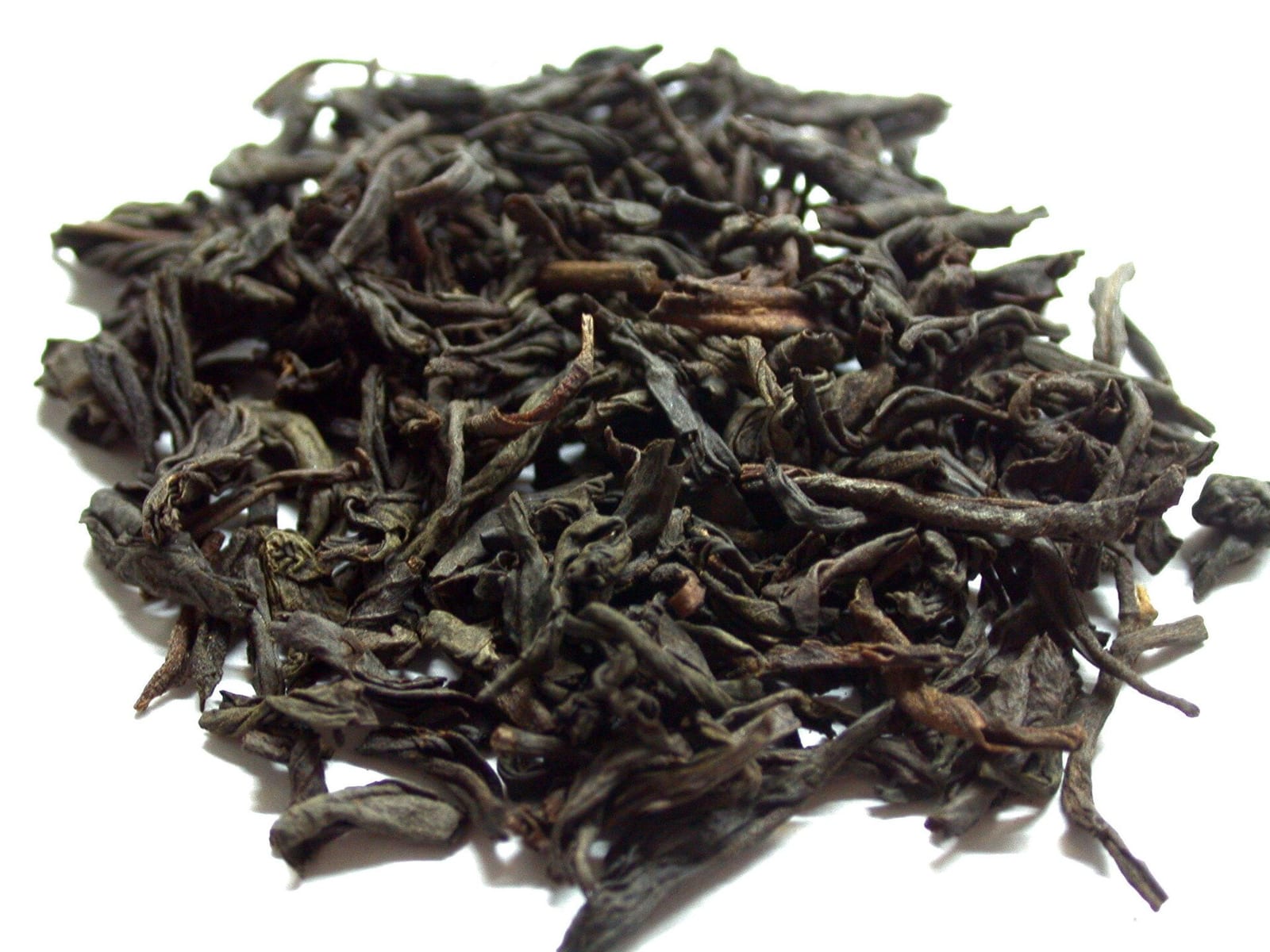
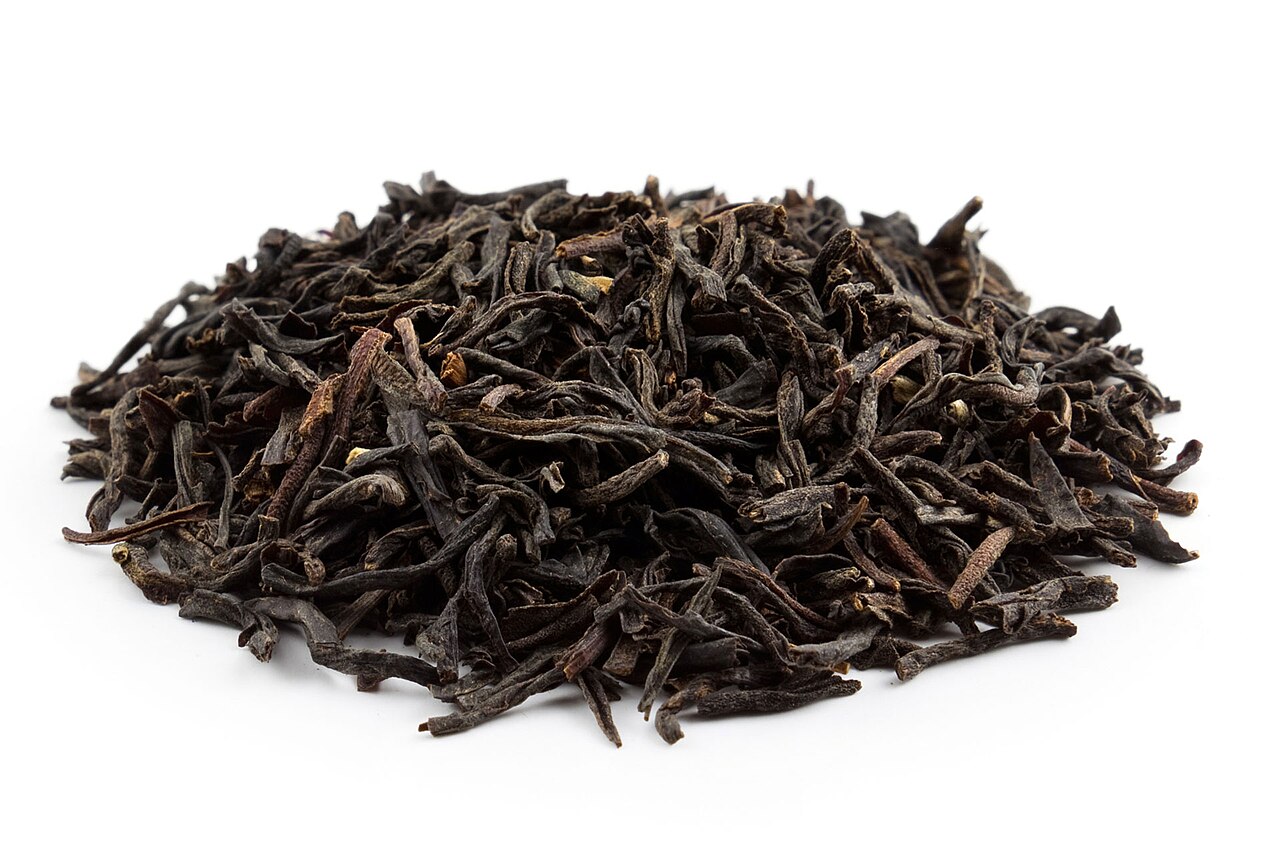
The Lapsang Souchong story. The route's best-known Chinese tea is Zhengshan Xiaozhong from the Tongmu area of Wuyi Mountain. A widely repeated origin story set around 1568, in the late Ming period, says that a military unit camped at a tea factory and disturbed tea leaves that were drying; the producer dried the already oxidised leaves over pinewood, producing a tea with smoky aroma and a sweet, longan-like character. Whether or not the story is literally true, Tongmu is the recognised home of the tea, and "Lapsang Souchong" became one of the first Chinese black teas known in Europe.
Fuzhou and the Min River. Tea from Tongmu was carried by porters and boats to Fuzhou, about 350 li away. The Luoxing Tower at the mouth of the Min River became a landmark for foreign sailors. After Fuzhou was opened to foreign trade in 1842, Wuyi tea could be shipped directly from Fuzhou rather than going overland to Guangzhou. In the 1850s Fuzhou exported more than forty million pounds of tea a year and was for a time the world's largest tea-export port. Chests marked "Wuyi", "Zhengshan" and "Congou" filled the wharves.
Canton and the Thirteen Factories. In 1757 the Qianlong emperor restricted foreign trade to Guangzhou. Until 1842 the Thirteen Factories were the legal channel through which Western merchants obtained Chinese tea. Each autumn tea from Fujian, Anhui, Zhejiang and Jiangxi converged on Guangzhou by river and road. The Hong merchants negotiated with the East India Company in a mixed Cantonese-English trade language. In 1785 the Company alone is said to have shipped about fifteen million pounds of tea from Canton; the migrated record also states that British tea duties reached one million pounds a year, a substantial share of government revenue. These figures are historical estimates and should be read with care.
Malacca and the monsoon. Sailing ships left Guangzhou and reached the Strait of Malacca after about ten days. The strait was the choke point for east-west trade and the place where crews waited for the monsoon to change. Chinese junks and East India Company ships took on water and food, and Chinese traders exchanged Wuyi rock tea and Tieguanyin for goods from India, the Arab world and Europe. Chinese communities in Malacca and the Malay peninsula kept gongfu tea practices, and the Peranakan museums preserve teapots and cups from this trade.
Ceylon and India. In the nineteenth century the British East India Company sought to break China's tea monopoly by establishing plantations in India and Ceylon. The botanist Robert Fortune was sent to China in 1848 to obtain tea plants and seeds. Assam, Darjeeling and Ceylon gardens followed. Colombo and Bombay became major export ports, and by 1900 India and Ceylon together exported more tea than China. The route's centre of gravity shifted from East Asia to South Asia.
The Cape and London. Before the Suez Canal opened in 1869, tea ships from Asia to Europe had to round the Cape of Good Hope. The Cape was notorious for storms that could snap masts and tear sails. Many tea ships and cargoes were lost, but the route became a test of seamanship. From the Cape, ships entered the Atlantic and sailed for London. In 1658 a London newspaper carried one of the first tea advertisements, offering "Tcha" at a coffee house. By the eighteenth century London was the centre of the global tea auction trade, handling more than 80 percent of world tea trade at its peak, and afternoon tea spread from the court to become a mass habit in the nineteenth century.
Boston and the clipper races. On 16 December 1773, colonists disguised as Native Americans boarded three East India Company ships in Boston and threw 342 chests of tea into the harbour. The tea had travelled from Guangzhou to London and then across the Atlantic. The Boston Tea Party became a catalyst for the American Revolution. In 1866 five clippers raced from Fuzhou to London in about 99 days, a famous high point of the sailing tea trade. After the Suez Canal opened, steamships could make the journey in thirty to forty-five days and freshness improved.
Legacy. The Luoxing Tower still stands at the Min River; the Thirteen Factories site now has a museum; the London docks have been redeveloped. Zhengshan Xiaozhong, Darjeeling and Ceylon tea remain internationally known, and Kenya's CTC teas supply mass markets. The route's legacy is not only the tea trade but the transfer of tea plants, processing knowledge and drinking habits across three oceans.
Route and scope
The migrated route starts at Tongmu in Wuyi Mountain, goes to Fuzhou and Guangzhou, then through the South China Sea and the Strait of Malacca to Colombo, Bombay, Mombasa, the Cape of Good Hope, Lisbon and London, with Amsterdam and Hamburg as the recorded endpoint. The shared station table has ten nodes, from Tongmu at about 1,000 metres to London at sea level. The map and elevation profile on this page use those nodes; sea routes are schematic and are not a navigation chart. The record describes the route as moderate in difficulty: long voyages, but efficient for bulk transport.
Stations
The stations below use the same node_id as the route fact table. The map and elevation profile are reading aids, not a substitute for field data.
01 · Wuyi Mountain · Tongmu Pass
Cumulative distance about 0 km; elevation about 1,000 m; coordinates 27.72, 117.68. Data context: migrated historical route data, not a modern navigation track.
The starting point and the birthplace of Zhengshan Xiaozhong, the first black tea. Tongmu Pass lies inside the Wuyi Mountain national nature reserve at about 1,000 metres and is the core district of Zhengshan Xiaozhong. In the late Ming and early Qing, local tea makers created the world’s first black tea — pine-smoke cured, with a longan-sweet liquor — and with it began the sea route of Chinese black tea. Each spring the fresh leaf is withered and smoked over pine in the old “green house”; the finished tea was packed and carried by porters over a hundred li of mountain path to Fuzhou.
02 · Fuzhou Port
Cumulative distance about 350 km; elevation about 5 m; coordinates 26.07, 119.3. Data context: migrated historical route data, not a modern navigation track.
The main port for Fujian tea leaving China and one of the five treaty ports. Fuzhou had shipped Fujian tea since the Tang period and became a major international tea port after the 1842 Treaty of Nanjing. Each spring Zhengshan Xiaozhong from Wuyi, Wuyi rock tea from northern Fujian and Tieguanyin from southern Fujian converged here; the wharves below Luoxing Tower were stacked with chests marked for foreign markets. In the 1850s Fuzhou’s tea exports briefly surpassed Guangzhou’s, making it the world’s largest tea export port.
03 · Guangzhou · Thirteen Factories
Cumulative distance about 1,200 km; elevation about 8 m; coordinates 23.12, 113.26. Data context: migrated historical route data, not a modern navigation track.
The only legal tea export port in Qing China. In 1757 the Qianlong emperor restricted foreign trade to Guangzhou, and for the next 85 years the Thirteen Factories were the sole lawful outlet for Chinese tea. Each autumn tea from Fujian, Anhui and Zhejiang came by river and road, was inspected and priced by the hong merchants, and loaded onto East India Company ships. The tea warehouses stretched for miles — “tea fragrance filled the Pearl River.” In 1785 the East India Company alone shipped about 15 million pounds of tea from Guangzhou.
04 · Malacca
Cumulative distance about 4,000 km; elevation about 0 m; coordinates 2.19, 102.25. Data context: migrated historical route data, not a modern navigation track.
The throat of the maritime silk road. The Malacca Strait is the only sea passage between the South China Sea and the Indian Ocean, and every tea voyage passed through it. Chinese junks and East India Company ships stopped for water and food and waited for the monsoon to turn. After the Portuguese took Malacca in 1511 it became an entrepôt where Chinese tea merchants traded with Indian, Arab and European buyers; Wuyi rock tea and Tieguanyin were transshipped to Southeast Asia, and the tea culture of the Chinese diaspora took root along the same routes.
05 · Colombo
Cumulative distance about 7,000 km; elevation about 0 m; coordinates 6.93, 79.84. Data context: migrated historical route data, not a modern navigation track.
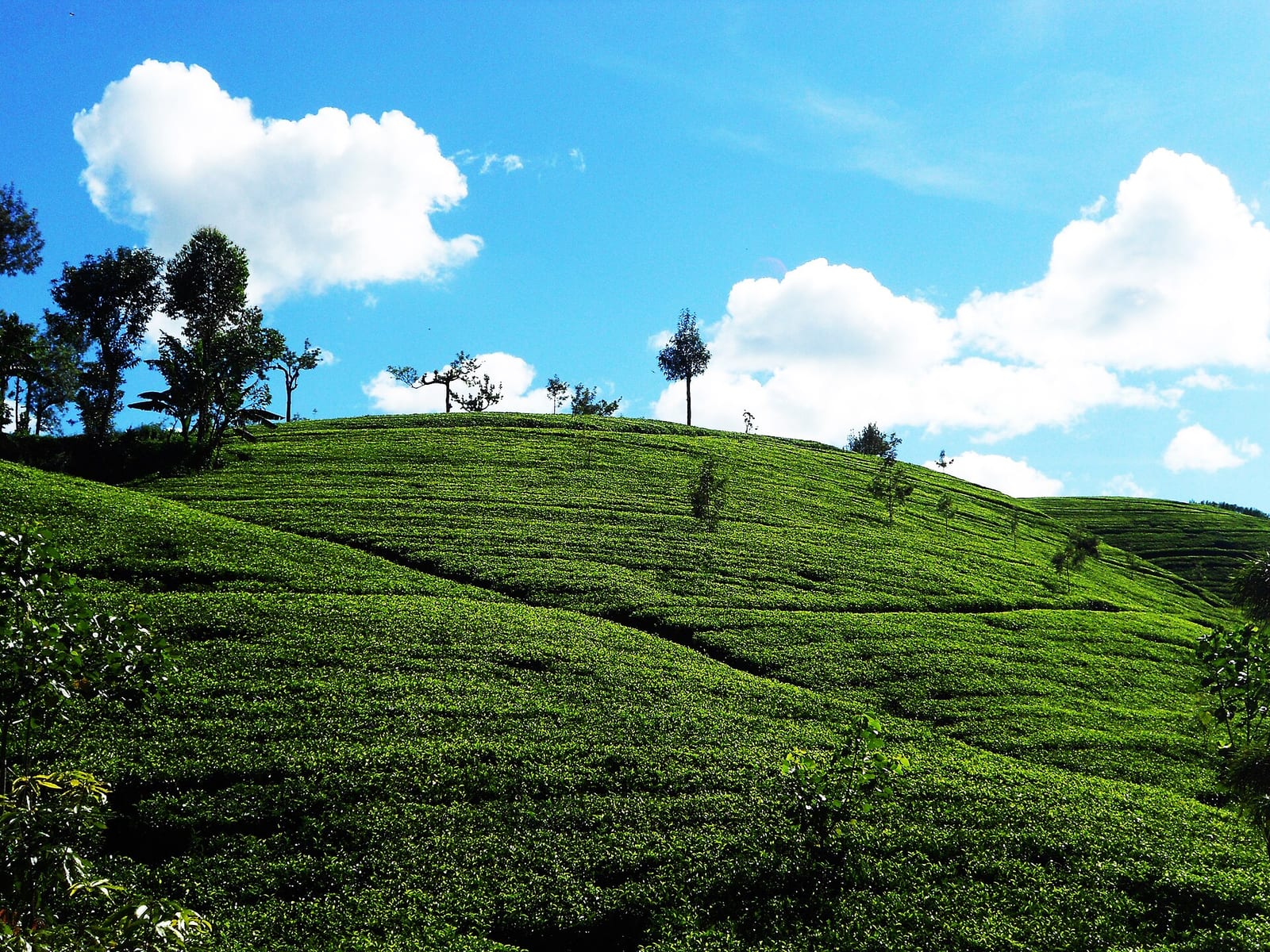
The collecting centre for Ceylon tea. In the mid-nineteenth century British planters brought Chinese seed and tea-making methods to Ceylon (now Sri Lanka) and opened estates around Nuwara Eliya. Colombo became the export hub for Ceylon black tea, with hundreds of thousands of chests shipped each year to London, Melbourne and New York. The sea route thus carried a crucial technology transfer: Chinese seed took root abroad, and Ceylon tea became a century-long competitor to Wuyi Zhengshan Xiaozhong.
06 · Mumbai
Cumulative distance about 9,000 km; elevation about 0 m; coordinates 18.93, 72.83. Data context: migrated historical route data, not a modern navigation track.
The great export port of Indian tea. After the East India Company found wild tea in Assam in the 1830s, Indian production grew quickly. Bombay became the main outlet for Assam and Darjeeling tea to Europe. In contrast to Guangzhou at the eastern end of the sea route, Bombay represents the moment the trade moved away from China: by the late nineteenth century Indian exports overtook Chinese ones, and the centre of the sea tea trade shifted from East Asia to South Asia.
07 · Mombasa
Cumulative distance about 13,000 km; elevation about 0 m; coordinates -4.04, 39.67. Data context: migrated historical route data, not a modern navigation track.
The African tea port and Kenya’s export gateway. British colonists introduced tea to Kenya in 1903; a century later Kenya is one of the world’s largest black tea exporters. Mombasa is the heart of African tea trade, shipping CTC tea from the Kenyan highlands to Europe, the Middle East and Pakistan. This is the most recent leg of the sea route: from Wuyi Mountain to the Kenyan Rift Valley, tea travelled by sea for three centuries.
08 · Cape of Good Hope
Cumulative distance about 18,000 km; elevation about 0 m; coordinates -34.36, 18.47. Data context: migrated historical route data, not a modern navigation track.
The necessary passage on the Europe–Asia route. Cape of Good Hope, at the southern tip of Africa, is the natural marker between the Indian and Atlantic oceans. Before the Suez Canal opened in 1869, every tea ship from China and India to Europe had to round the Cape, a passage so rough that it was called the Cape of Storms. Many a ship loaded with Wuyi rock tea and Zhengshan Xiaozhong met gales here; “past the Cape, London is in sight” was the common faith of the sailors.
09 · Lisbon
Cumulative distance about 21,000 km; elevation about 0 m; coordinates 38.72, -9.14. Data context: migrated historical route data, not a modern navigation track.
The first European port to import tea. In the sixteenth century Portuguese navigators opened the route around the Cape to Asia, and Portugal was the first European country to bring Chinese tea home. Around 1560 the Portuguese missionary Gaspar da Cruz described tea in his treatise on China as slightly bitter but good for health. On the Lisbon quay, Portuguese ships from Macao unloaded porcelain jars filled with Wuyi rock tea — the first taste of the East that European nobles had.
10 · Port of London
Cumulative distance about 22,000 km; elevation about 5 m; coordinates 51.51, -0.07. Data context: migrated historical route data, not a modern navigation track.
The terminus and the centre of the world tea trade. In the mid-seventeenth century the East India Company brought tea from Guangzhou to London, and the British passion for tea took hold. London’s tea wharves, especially the East India Company warehouses, were once the largest tea entrepôt in the world. The 342 chests of Wuyi black tea thrown into Boston harbour in 1773 had passed through London. In the nineteenth century London auctions handled more than 80 percent of the world tea trade, and afternoon tea spread from the city across the world.
Trade teas
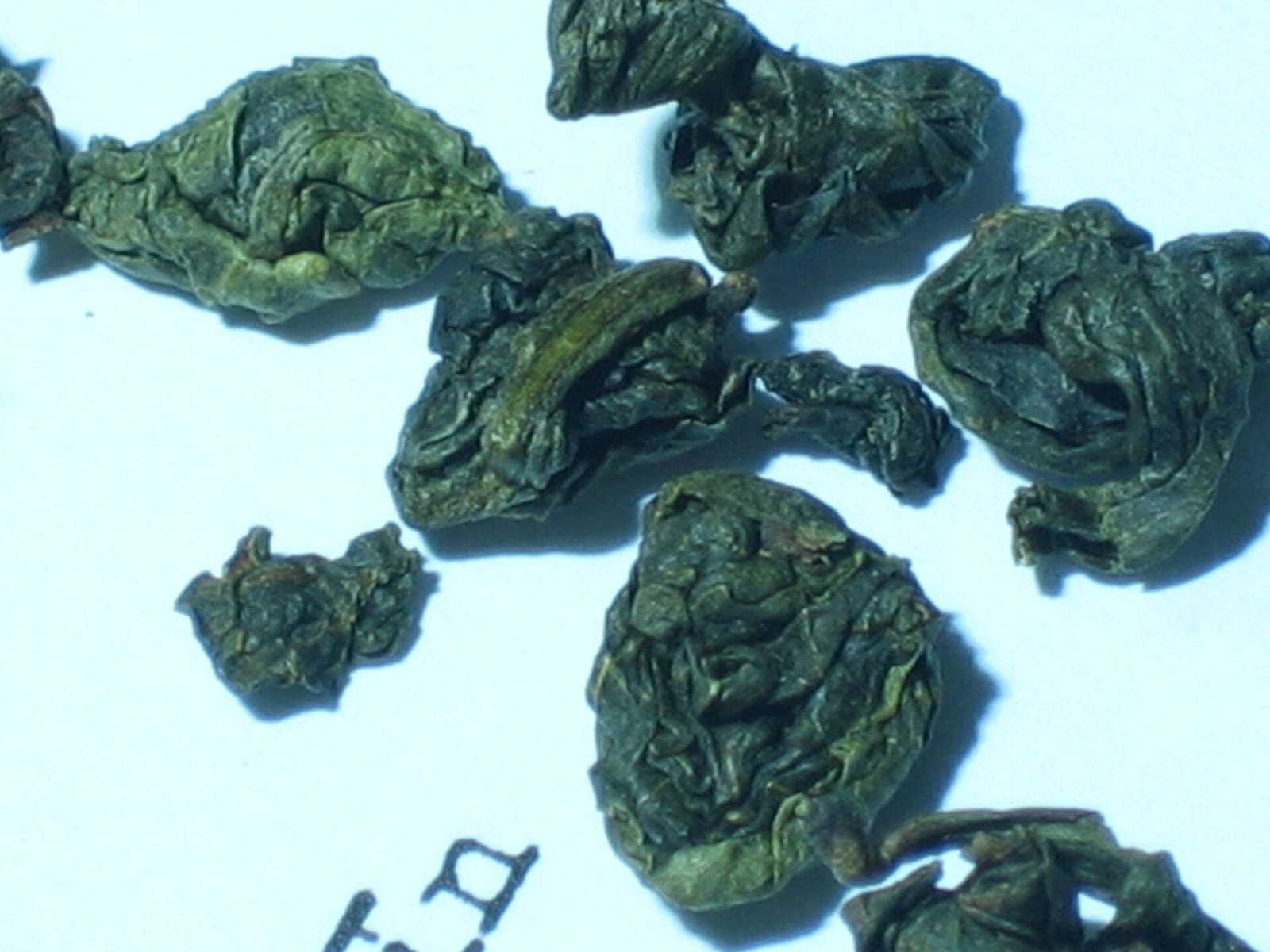
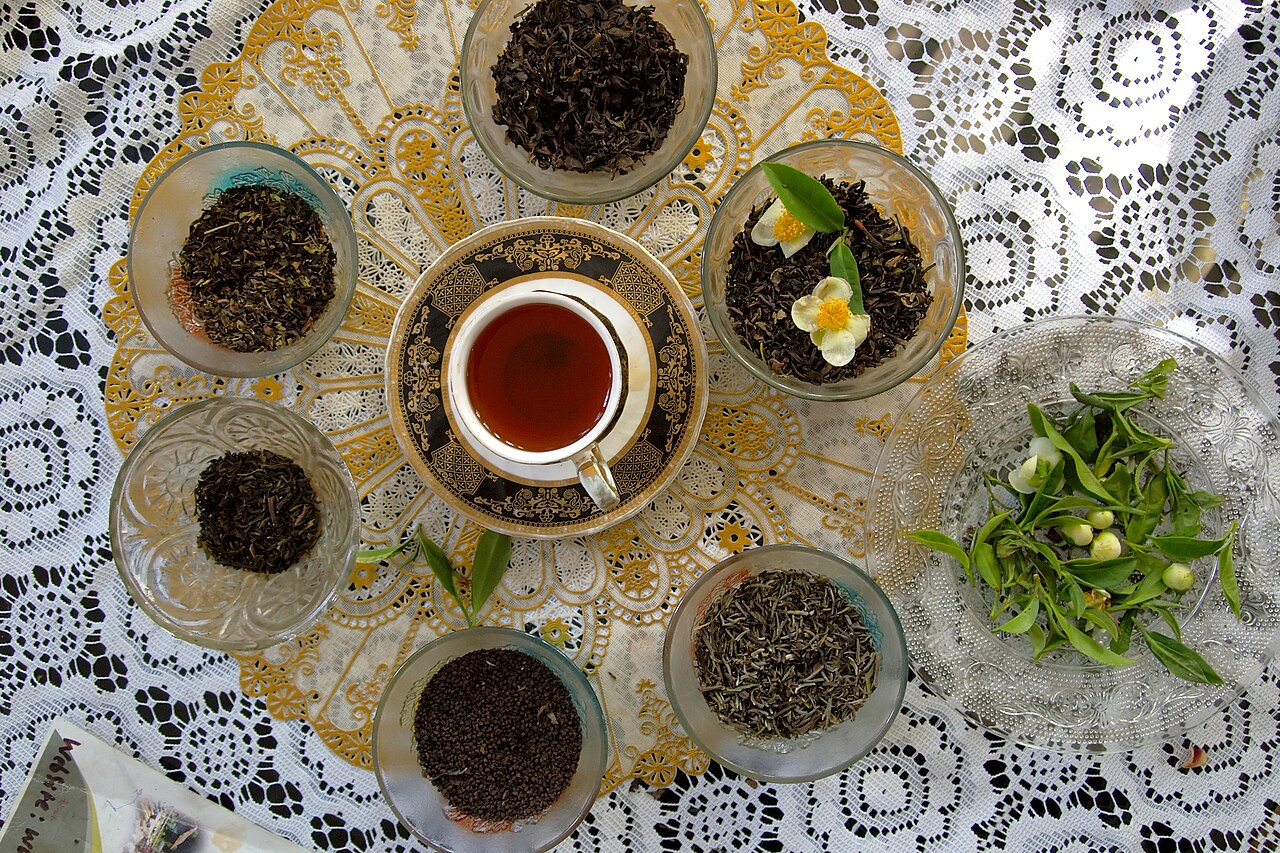
The old record lists Zhengshan Xiaozhong, Wuyi rock tea, Tieguanyin, Fenghuang Dancong, Ceylon black tea, Assam black tea and Darjeeling black tea. The first four are Chinese origin teas; the last three belong to the South Asian plantation industry that grew from transferred Chinese planting material and knowledge. A route association describes trade, not the place of origin of every tea sold in every port.
Linked tea entries:
- Zhengshan Xiaozhong
- Wuyi rock tea
- Fenghuang Dancong
- Tieguanyin
- Ceylon high-grown black tea
- Assam black tea
- Darjeeling black tea
Visiting note
The maritime route can be studied through port museums, tea warehouses, clipper collections and the surviving architecture of the Thirteen Factories and the Luoxing Tower. This page does not provide sailing directions, current port information or a travel itinerary.
Sources and status
The sources in the record are Chinese museum, industry-association and government material; the English text is an editorial translation checked against the Chinese article and retains its historical qualifiers.