Overview
The Sikkim–Darjeeling tea road is a Himalayan mountain corridor. It runs from Kolkata in West Bengal, India, through the Siliguri corridor into the Darjeeling hills, then through Kalimpong and Gangtok to Nathu La, the border pass between Sikkim and the Tibet Autonomous Region of China. The shared table records six nodes and a cumulative distance of about 350 kilometres. The old text gives about 300 kilometres; the two figures use different scopes, and this page keeps both rather than forcing them into one number.
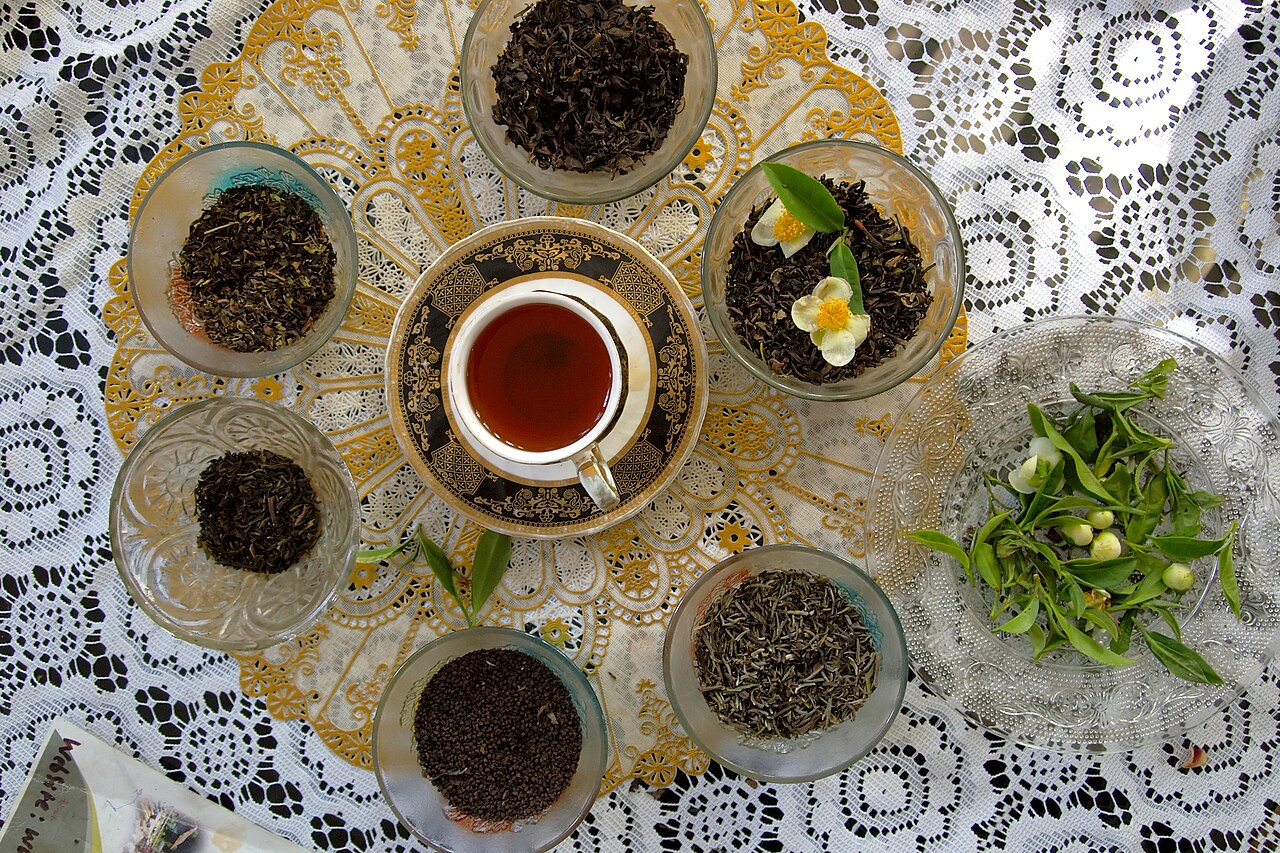
The route places three different kinds of "tea" on the same map: the colonial garden black tea of Darjeeling, the green and black tea of Sikkim's Temi estate, and the brick tea and salt-tea trade that historically crossed Nathu La into Tibet. They are not the same commodity and do not belong to one production system. Treating "Darjeeling black tea" and "Tibetan brick tea" as interchangeable is the most common misreading of this route.
Darjeeling tea is known for aroma and spring picking, but "the champagne of teas" and "the world's most expensive tea" are market phrases, not stable facts. Temi is Sikkim's principal tea estate, established in 1969, with an area of about 176.8 hectares, and is still associated with organic cultivation and small-scale mountain production. Nathu La is a border-trade and strategic-geography node; tea is only one item among the cross-border goods.
History and background
Kolkata, auctions and the colonial tea industry
Kolkata was the early capital and commercial centre of British India and an important port and auction market for Indian tea. In the nineteenth century, as tea gardens expanded in Assam, Darjeeling and the Nilgiris, tea was collected, graded, auctioned and exported through Kolkata. The old record calls the Kolkata tea exchange "the world's largest tea auction market of its day". That superlative needs period-by-period verification; London, Kolkata and Colombo all occupied important positions at different times. A safer statement is that Kolkata was one of the core cities of British Indian tea trade and auction.
Siliguri lies between the Gangetic plain and the Himalayan foothills and is the transport choke point for Darjeeling, Sikkim and northeast India. The old record calls it the "chicken's neck" and says that the narrowest point is only 20 kilometres. The geopolitical metaphor is common, but the exact width and boundary line differ across sources; this page keeps the geographical description of a narrow corridor without adopting a precise kilometre figure.
Darjeeling: from experimental planting to geographical indication
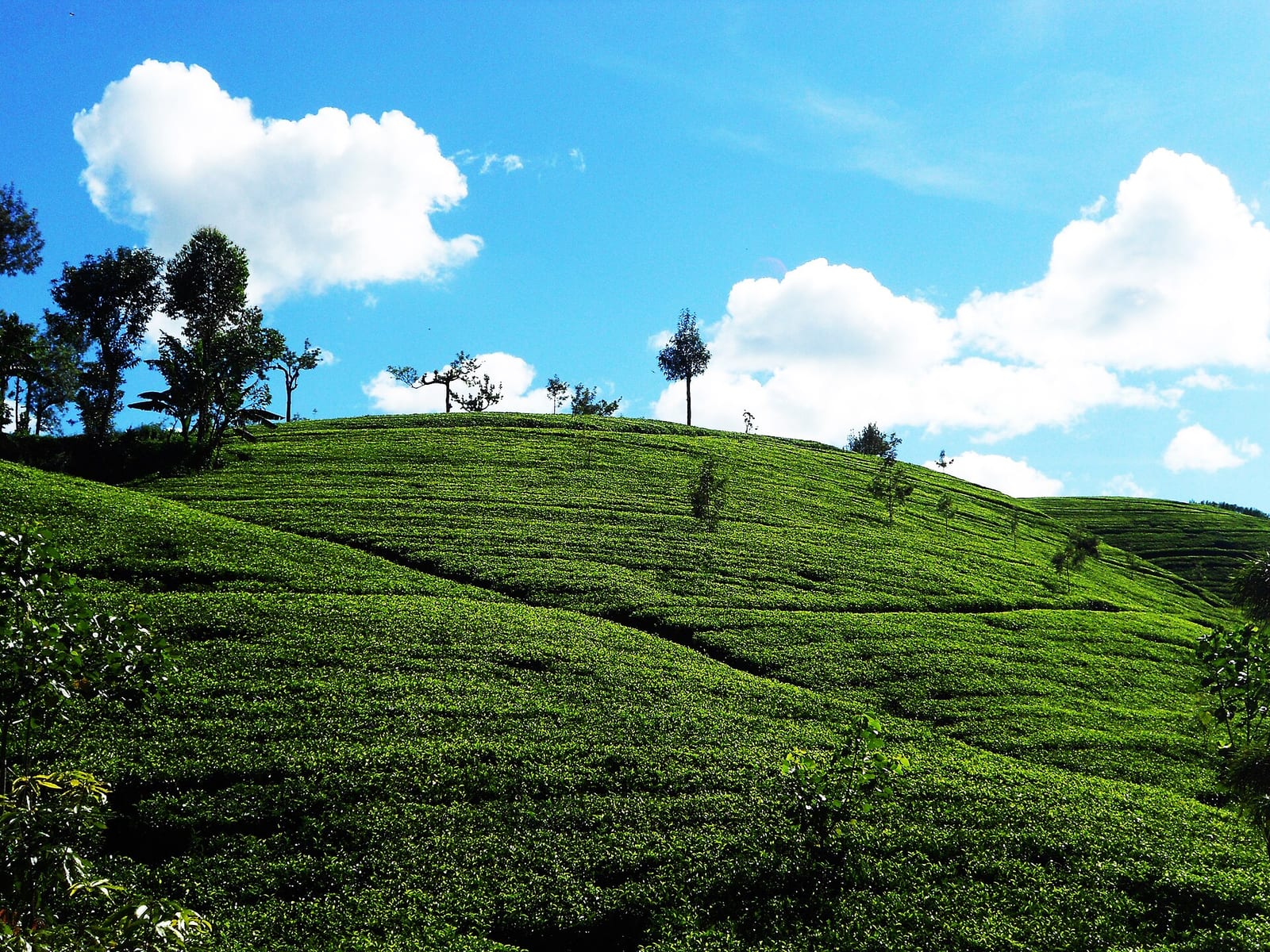
Tea planting in Darjeeling began in 1841. Archibald Campbell, then working for the East India Company, carried out experimental planting of Chinese tea seed at Darjeeling; broader commercial gardens developed in the 1850s. The old record compresses the timeline into "the British brought Wuyi tea seed in 1841 and the trial succeeded". Campbell's first seeds came through the Himalayan network of Chinese tea introductions, and Robert Fortune later brought more plants, seed and manufacturing expertise from China. Fortune's China expeditions did change the plant material and processing base of the Indian tea industry, but the exact story of "2,000 plants and eight tea workers taken directly from Wuyi in 1841" varies across accounts, and this page does not present it as settled fact.
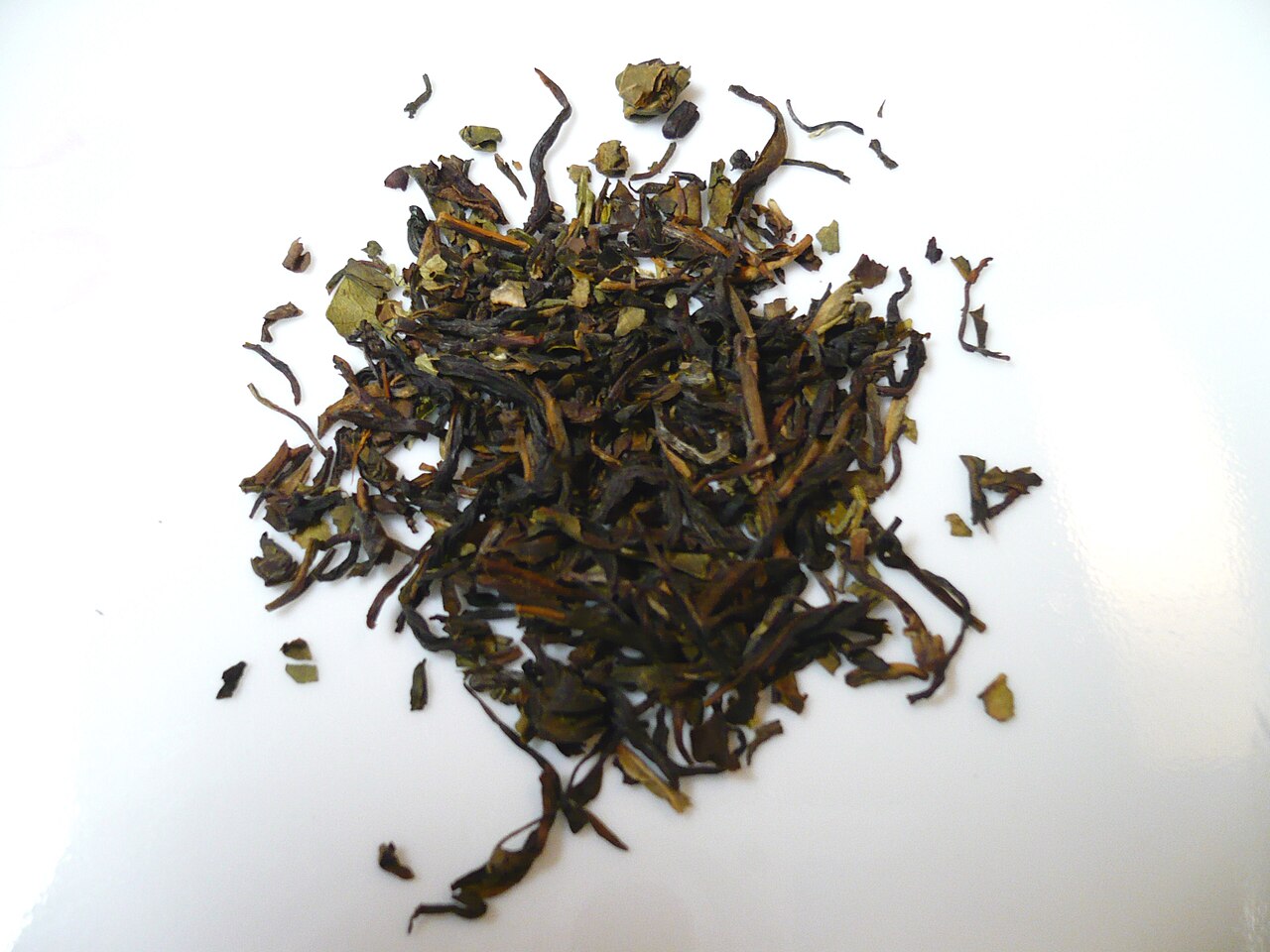
Darjeeling tea is made mainly from the Chinese variety, Camellia sinensis var. sinensis, rather than the large-leaved Assam variety. First flush in spring, second flush in summer and autumn flush form the main picking seasons; second flush often carries the "muscatel" aroma. The old record says that Darjeeling has 87 gardens across seven valleys. That figure comes from tea-industry sources, but garden numbers and boundaries change with consolidation, certification and administrative revision; this page does not treat "87" as a permanent figure.
Darjeeling tea became one of India's first products to receive geographical indication protection in 2004. The Tea Board of India administers the "Darjeeling" word and logo, and only tea grown, manufactured and processed on specified gardens in the Darjeeling and Kalimpong areas may use the name. Geographical indication protects origin and reputation, not the idea that "there is only one Darjeeling tea".
Kalimpong, Gangtok and Sikkim tea
Kalimpong lies east of Darjeeling and was an important trading town on routes to Sikkim and Tibet. In the early twentieth century it was a node for goods, currencies, information and people moving between Tibet and India; tea, wool, salt, cloth and daily necessities were traded there. The old record calls Kalimpong the "gateway to Sikkim" and the "city of flowers". The first is a geographical metaphor; the second reflects local horticulture and the flower trade.
Gangtok is the capital of Sikkim. The old record says that "beside the royal summer palace there was a royal tea garden whose tea was reserved for the royal family". That claim lacks a verifiable archive. Sikkim became an Indian state in 1975; the Temi tea estate was promoted by the then Chogyal, Palden Thondup Namgyal, in 1969, to provide employment and agricultural income, not as a "royal tea garden" reserved for the court. Temi is today managed by the Sikkim government and is the state's principal tea-producing unit.
Temi lies in South Sikkim at about 1,200–1,800 metres, covers about 176.8 hectares and produces roughly 100 tonnes a year. The old record calls it "Sikkim's only organic tea garden". A more accurate statement is that Temi is Sikkim's principal tea estate and follows organic farming practices; certification and product lines change by year, so "only" should not be treated as permanent. Temi's product range includes green, black, oolong and white tea; the exact list depends on the estate's current release.
Nathu La and the salt-tea trade
Nathu La is about 4,310 metres above sea level, on the border between Sikkim and the Tibet Autonomous Region of China. It is one of the traditional Himalayan border-trade passes. In the early twentieth century, caravans moved through Nathu La and Yadong, trading tea, salt, wool, cloth and daily necessities. The old record says that "Tibetan caravans exchanged salt for tea". That fits the general picture of barter in Himalayan border trade, but the exact exchange ratios, routes and seasons need archival support.
After the 1962 Sino-Indian border war, Nathu La was closed for decades; it reopened as a border-trade crossing in 2006, but trade volumes and personnel flows remain limited by bilateral relations, customs rules and infrastructure. Today the pass is a border-control and permit area, not a free hiking route. The romantic image of "tea fragrance floating over the Himalaya" ignores the political and security reality of the border.
The mountain railway and the road today
The Darjeeling Himalayan Railway opened in 1881. It has a gauge of 0.610 metres and runs 88.48 kilometres from New Jalpaiguri to Darjeeling, passing through Ghump at 2,258 metres. In 1999 it was inscribed, as part of the Mountain Railways of India, on the UNESCO World Heritage List. The railway was built to move tea, goods and people up the mountain more efficiently; today it is a symbol of mountain transport and tourism.
The Darjeeling tea industry today faces labour costs, climate change, yield fluctuations and geographical-indication protection. Temi relies on government support, organic management and tourism income. Cross-border trade at Nathu La opens and closes with bilateral relations. The contemporary meaning of this tea road is not a complete walking route but the overlap of colonial gardens, the mountain railway, border trade and tea branding on the same Himalayan slope.
Route and scope
Kolkata (Indian tea trade and auction centre) → Siliguri (transport choke point into the hills) → Darjeeling (colonial gardens and geographical-indication black tea) → Kalimpong (Sikkim–Tibet trading town) → Gangtok (Sikkim capital and Temi tea administration) → Nathu La (Sikkim–Tibet border pass, endpoint).
Legacy difficulty: moderate — Himalayan terrain from about 100 m to 4,310 m, with rough roads and steep slopes.
Legacy distance: about 300 km in the old text; the shared table accumulates about 350 km.
Legacy duration: six to eight hours by road, about ten days on foot (historical estimate).
Legacy best season: March–May and September–November, the new-tea seasons, when the snow peaks are clearer and temperatures are moderate.
Terrain: Gangetic plain — Siliguri corridor — Darjeeling hills — southern Sikkim Himalaya — Nathu La.
Stations
The stations below use the same node_id as the shared route table. Maps and elevations are reading aids, not a substitute for field data.
01 · Kolkata
Cumulative distance about 0 km; elevation about 10 m; coordinates 22.57, 88.36. Context: legacy route data, not a modern navigation track.
The starting point. Kolkata was the early capital and commercial centre of British India and an important city for Indian tea trade, auctions and exports. The old record calls it "the world's largest tea auction market of its day". That superlative needs period-by-period verification; this page keeps its status as one of the major auction markets. The old tea merchants, warehouses and port facilities are the spatial traces of the colonial tea industry.
02 · Siliguri
Cumulative distance about 150 km; elevation about 122 m; coordinates 26.73, 88.42. Context: legacy route data, not a modern navigation track.
Siliguri lies between the Gangetic plain and the Himalayan foothills and is the transport choke point for Darjeeling, Sikkim and northeast India. The old record calls it the "chicken's neck" and gives a narrowest width of 20 kilometres; that figure differs across sources, so this page keeps only the "narrow corridor" description. Merchants change to mountain transport here and prepare for the climb.
03 · Darjeeling
Cumulative distance about 220 km; elevation about 2,073 m; coordinates 27.05, 88.26. Context: legacy route data, not a modern navigation track.
The core node. Darjeeling is a tea town in the southern Himalaya. Archibald Campbell carried out experimental planting of Chinese tea seed here in 1841, and commercial gardens expanded in the 1850s. Darjeeling tea is made mainly from the Chinese variety, and spring, summer and autumn pickings produce different styles. In 2004 Darjeeling tea became one of India's first products to receive geographical indication protection. The old record calls it "the home of the world's black tea". That is a marketing phrase; this page keeps its status as a world-renowned black-tea district without turning "world's only" into fact.
04 · Kalimpong
Cumulative distance about 250 km; elevation about 1,250 m; coordinates 27.05, 88.58. Context: legacy route data, not a modern navigation track.
Kalimpong lies east of Darjeeling and was an important trading town on routes to Sikkim and Tibet. In the early twentieth century, tea, wool, salt, cloth and daily necessities were traded there, and Tibetan, Indian and British merchants met. The old record calls it the "gateway to Sikkim" and the "city of flowers". The first is a geographical metaphor; the second reflects local horticulture and the flower trade.
05 · Gangtok
Cumulative distance about 300 km; elevation about 1,650 m; coordinates 27.33, 88.61. Context: legacy route data, not a modern navigation track.
Gangtok is the capital of Sikkim. The old record says that "beside the royal summer palace there was a royal tea garden whose tea was reserved for the royal family". That claim lacks a verifiable archive. More accurately, the Temi tea estate was promoted by the then Chogyal in 1969 to provide employment and agricultural income; it is today managed by the Sikkim government and is the state's principal tea-producing unit. Gangtok is the administrative, tea-industry and tourism centre.
06 · Nathu La
Cumulative distance about 350 km; elevation about 4,310 m; coordinates 27.42, 88.82. Context: legacy route data, not a modern navigation track.
The endpoint. Nathu La lies on the border between Sikkim and the Tibet Autonomous Region of China and is one of the traditional Himalayan border-trade passes. In the early twentieth century, caravans moved through Nathu La and Yadong, trading tea, salt, wool, cloth and daily necessities. After 1962 the pass was closed for decades; it reopened as a border-trade crossing in 2006. Today it is a border-control and permit area, not a free hiking route.
Trade teas
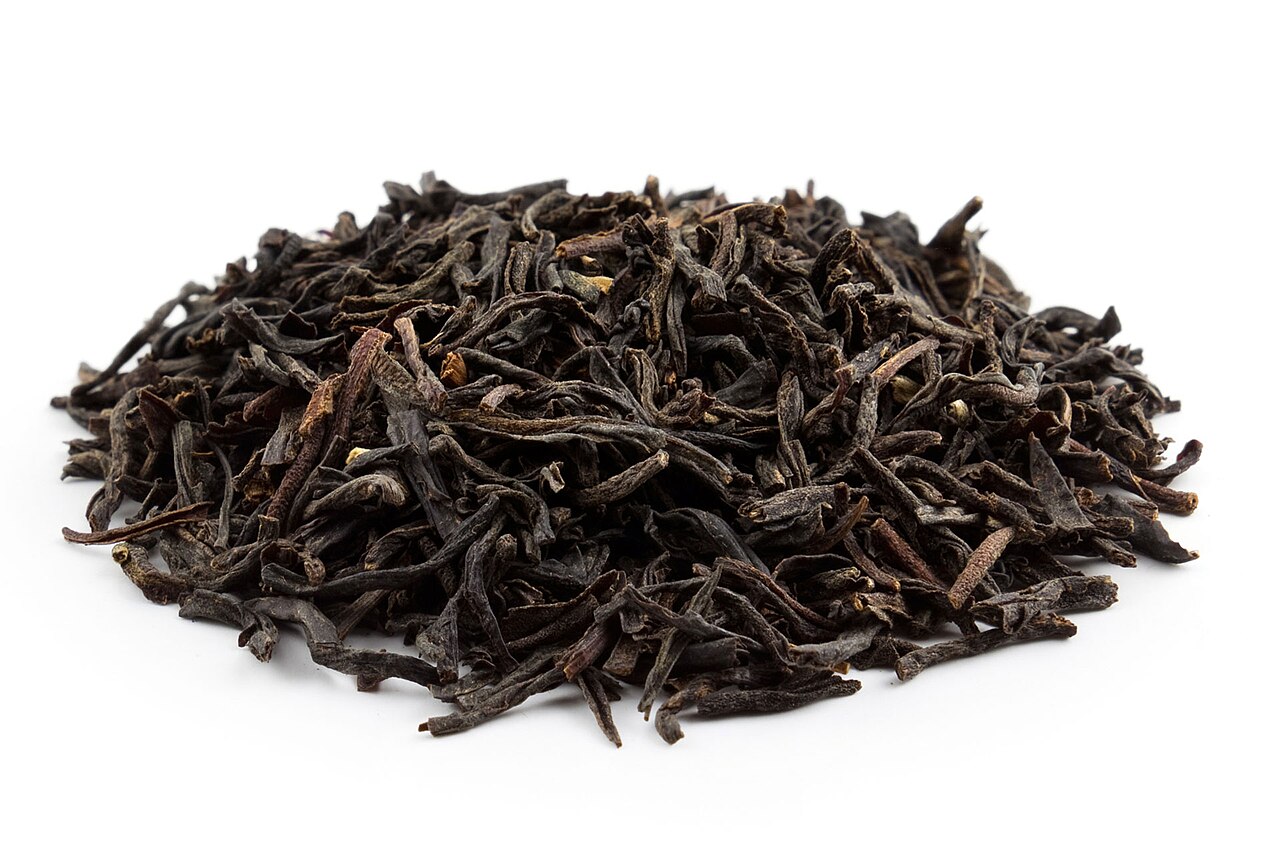
Teas recorded by the old route: Darjeeling black tea, Sikkim Temi tea, Assam black tea and Nilgiri black tea.
Linked tea entries:
Note: Darjeeling tea and Temi tea are origin teas, not cultivars. Assam and Nilgiri teas appear on this route as trade and consumer links, not because they are grown in the southern Himalayan foothills.
Visiting notes
Distances, duration and difficulty come from the legacy record and are kept in their historical context. This first edition does not provide step-by-step navigation, current road conditions or modern trekking safety guarantees. Darjeeling, Sikkim and Nathu La involve Indian border permits, protected-area permits and weather risks; railway, garden and border-crossing opening times must be checked against current rules.
Sources
- Mountain Railways of India — UNESCO World Heritage Centre
- Darjeeling — Tea Board India
- About — Temi Tea
- Migrated legacy record:
zh/route/sikkim-darjeeling-tea-road.json