Overview
The Vietnam tea road, called 安南茶路 in Chinese, runs from Pu’er in Yunnan through the borderlands of Jiangcheng and Mengkang, then down the Vietnamese side through Lao Cai, Suối Giàng, Yên Bái and Thái Nguyên to Hanoi. The shared table records eight nodes over about 600 kilometres. The old Chinese record gives a longer figure of about 800 kilometres; the difference is a reminder that historic route distances were measured along different paths, not along a single surveyed line.
This is a mountain-and-river route, not a coastal one. It crosses the Red River fault zone, follows the Red River plain, and ends in the densely settled delta around Hanoi. Tea moved both ways: Yunnan brick and cake tea went south, Vietnamese green tea and scented tea entered the border trade, and the route carried people, salt, horses and manufactured goods as well.
History and background
The Chinese record presents the route as an extension of the southern branch of the Tea Horse Road. That framing is plausible for trade, but it should not be turned into a precise chronology. The political border between China and Vietnam shifted over the centuries; “Annam” was a Chinese term for the Vietnamese lands, and the route’s name reflects that older vocabulary rather than a modern administrative boundary.
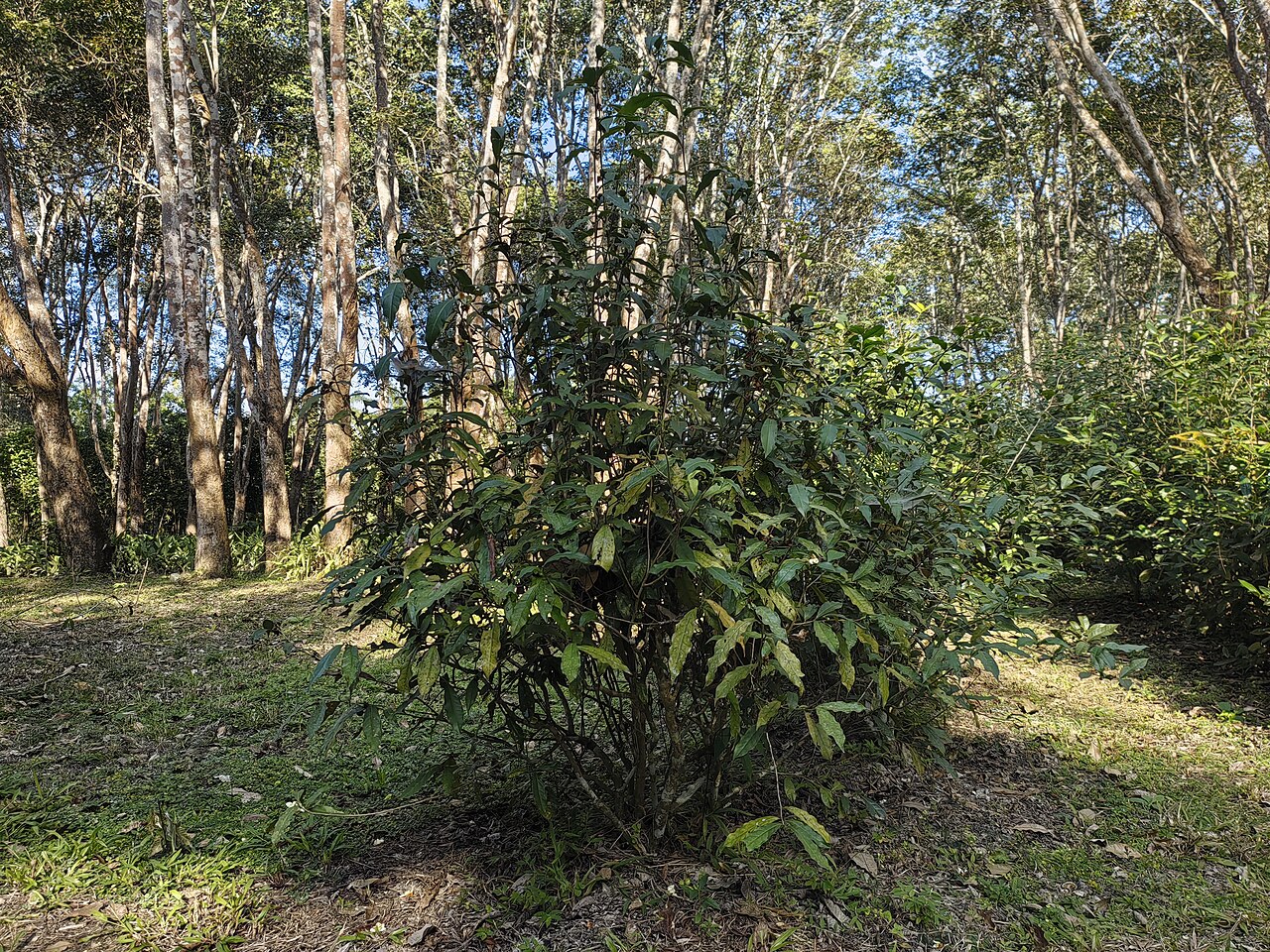
The northern Vietnamese provinces are home to long-established tea cultures. Suối Giàng, in Yên Bái province, is known for ancient tea trees and for the H’Mông communities who tend them. The old record gives an age of 800 to 1,000 years for the oldest trees and a total area of about 400 hectares. Those figures circulate in local tourism and tea literature, but tree-age estimates are difficult to verify; this article treats them as local tradition rather than a measured fact.
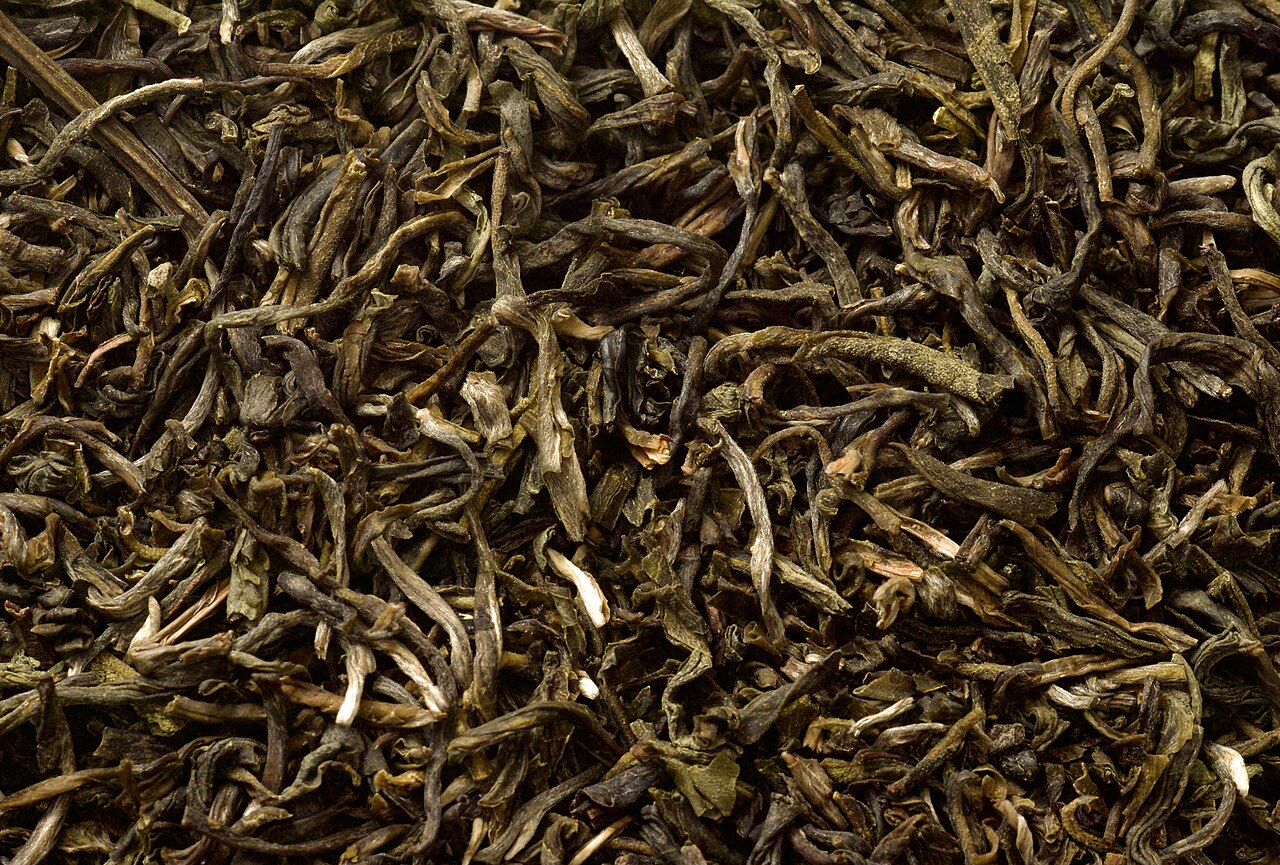
Thái Nguyên is the best-known green tea province in Vietnam. Its Tân Cương tea is associated with a curled leaf, a bright green liquor and a fresh aroma. The old record says that tea production in the province exceeds 200,000 tonnes a year. That number is not used here: Vietnamese statistical definitions and annual output vary, and the accessible official sources do not provide a figure that can be tied to this page’s date.
Hanoi’s tea culture is urban and social. The Old Quarter has a street historically associated with tea, Hàng Chè, and lotus-scented tea is a Hanoi specialty. The old record’s “Chè Chùa” — tea made with water from an old temple well — is a local story rather than a documented citywide practice. It is best presented as an example of Hanoi’s tea lore.
Route and scope
The eight recorded nodes are Pu’er (0 km, about 1,300 m), Jiangcheng (120 km), Mengkang (160 km), Lao Cai (200 km), Suối Giàng (280 km, about 1,400 m), Yên Bái (400 km), Thái Nguyên (520 km) and Hanoi (600 km). Elevations fall from the Yunnan plateau to the Red River plain. The route is a historical corridor; border formalities, road conditions and the status of individual crossings must be checked against current rules.
Stations
The stations below use the same node_id as the route fact table. The map and elevation profile are reading aids, not a substitute for field data.
01 · Pu’er
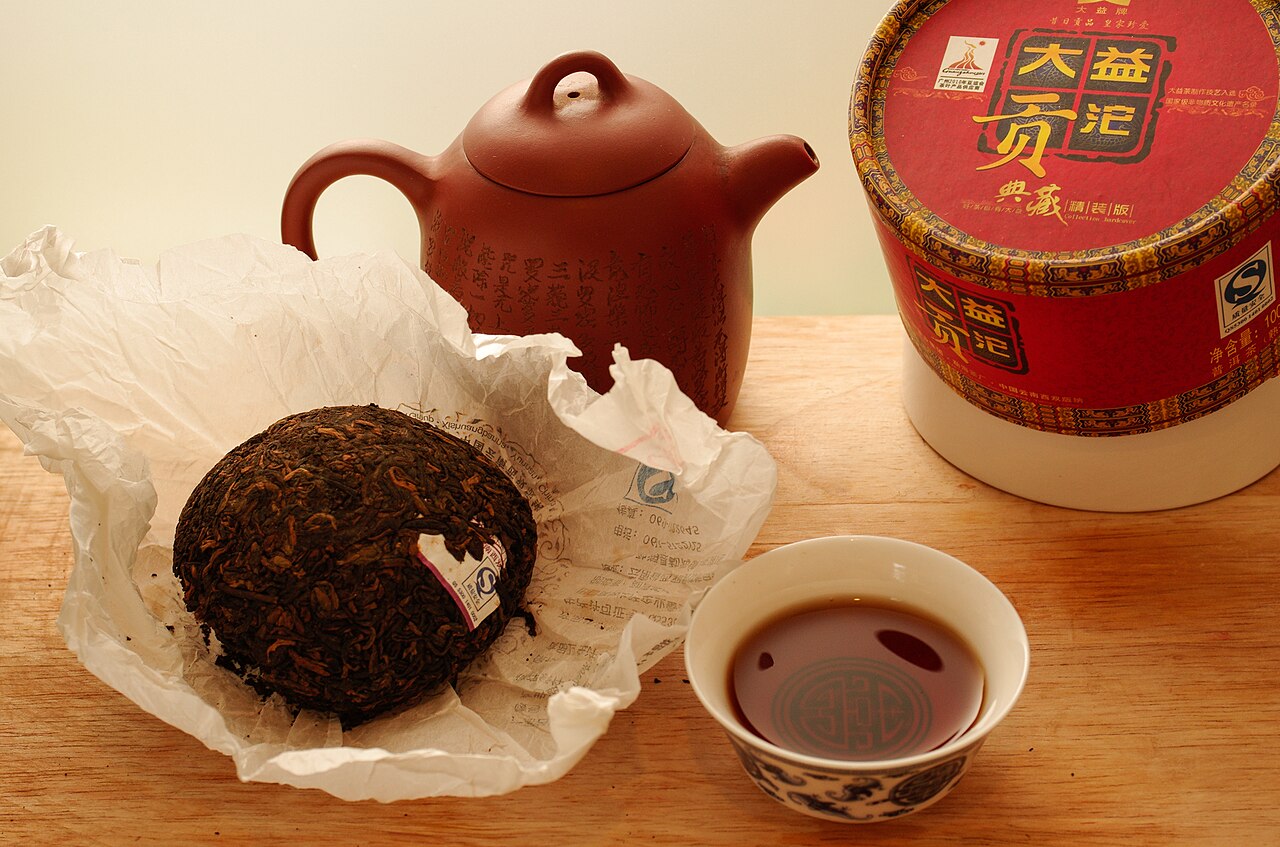
Pu’er is the starting point in the shared table and the name associated with Pu’er tea. The old record calls it the origin and naming place of Pu’er tea, surrounded by the six great tea mountains. That is a trade and cultural geography, not a single plantation. Pu’er tea comes from a broad area of Yunnan, and the name has a long administrative and commercial history.
02 · Jiangcheng
Jiangcheng is a Hani and Yi autonomous county on the Chinese side of the border. The old record calls it a “one town, three countries” crossing, referring to China, Vietnam and Laos. The town was a border post on the route; tea merchants would arrange papers and change carriers before entering Vietnam. The modern border is more regulated, and the old route should not be used as a travel plan.
03 · Mengkang
Mengkang is a border crossing opposite Bát Xát in Lao Cai province. The old record says merchants changed to Vietnamese mule trains here. The surrounding mountains are part of the same tea landscape as Suối Giàng, but the border itself is a political line, not a natural tea boundary.
04 · Lao Cai
Lao Cai is the first Vietnamese city on the route, at the confluence of the Red River and the Nam Thi. It was a rest and transfer point. The old record mentions the H’Mông and Dao communities of Sa Pa, in the highlands nearby. Sa Pa is now a major tourism centre; the tea gardens and ethnic minority villages around it should be visited with local guidance and respect for private land.
05 · Suối Giàng
Suối Giàng, in Văn Chấn district of Yên Bái province, is the route’s ancient-tea node. The old record describes old trees with trunks over a metre in diameter and a local tea festival. The landscape is a mosaic of tea gardens, forest and upland fields. The “ancient tea” label is commercially important; visitors should ask whether a garden is wild, semi-wild or planted, and who manages it.
06 · Yên Bái
Yên Bái is the provincial capital and a river transport point. Tea from Suối Giàng and the surrounding hills was gathered here, then moved by road toward Thái Nguyên or by the Red River toward Hanoi. The old record says the province also produces good green tea; the statement is general and does not need a volume figure.
07 · Thái Nguyên
Thái Nguyên is Vietnam’s flagship green tea province. Tân Cương tea is the best-known local name. The old record says the area’s tea culture was influenced by Chinese tea practice and that gongfu tea sets are common. That is a cultural observation, not proof of a direct route transfer. The province’s tea economy now includes domestic consumption, specialty tea and export.
08 · Hanoi
Hanoi is the terminus. The Old Quarter’s tea street, lotus tea, and the custom of drinking green tea in the morning are part of the city’s food culture. The old record’s temple-well tea story is a local anecdote. Hanoi is also the point where the overland route meets the delta’s markets and the port system, so it functions as a gateway rather than a single origin.
Trade teas
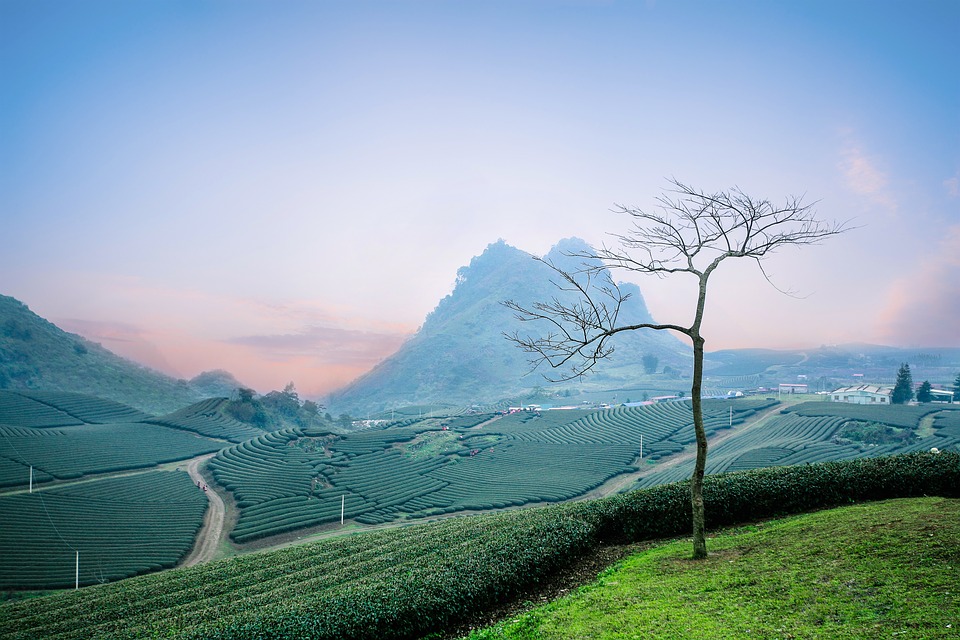
The route is associated with Pu’er sheng and shou, Vietnamese green tea (especially Thái Nguyên), Mộc Châu oolong and Vietnamese jasmine tea. These are broad categories. The old record’s “ancient tree tea” is a marketing and cultural label; it should not be used as a botanical guarantee.
Linked tea entries:
Visiting note
The route crosses an international border. Do not walk or drive the historic line without checking visas, border permissions, road conditions and local guidance. The diagram is schematic; the distances are historical estimates. Suối Giàng and the northern tea districts are best visited through locally licensed guides, with permission from garden owners.
Sources and status
This English article is a full English edition of the Chinese route record, checked against the Vietnam National Administration of Tourism and the Vietnamese government portal. It is marked reviewed for bilingual source-check and claim-boundary purposes on 2026-11-22. Claims that could not be tied to an accessible source — the 200,000-tonne production figure, the 800–1,000-year tree ages and the temple-well tea practice — have been softened or explicitly framed as local tradition.