Overview
The Dutch East India Company — the Vereenigde Oost-Indische Compagnie, or VOC — was chartered in 1602 and wound up around 1800. For two centuries it connected the Dutch Republic with Asia through a network of forts, factories and shipping routes. Tea was one of the commodities that travelled on that network, along with spices, textiles, porcelain, sugar and coffee.
This route follows the company’s maritime chain: Amsterdam and Texel, the Cape of Good Hope, Batavia on Java, the China coast, and Nagasaki’s Dejima in Japan. The shared table gives eight nodes and a round-trip distance of about 24,000 kilometres. The diagram is schematic. VOC ships did not all follow the same track, and the company’s tea trade changed over time.
History and background
The VOC was founded in 1602 when the Dutch States General granted it a charter with a trade monopoly in Asia. It was organised through six chambers in different Dutch cities and governed by a board of directors known as the Heren XVII. Investors bought shares, and the company’s capital was pooled for long voyages. It is often described as an early multinational corporation with tradable shares; it was not, however, the world’s first joint-stock company, and claims that it invented the stock market are overstated.
In 1619 the company established its Asian headquarters at Batavia, on the site of present-day Jakarta. In 1652 it founded a refreshment station at the Cape of Good Hope, which became a colony and a key stop on the route to and from Asia. In Japan, the Dutch were confined to the artificial island of Dejima in Nagasaki harbour from 1641. The island was roughly 200 by 70 metres, and during the restricted trading period (1639–1854) only one Dutch ship a year was normally allowed into Nagasaki. They were the only European trading nation allowed to remain in Japan for most of the Edo period, and they used that position to obtain Japanese copper, silver, porcelain, lacquer and tea.
Tea reached the Netherlands in the early seventeenth century. Rijksmuseum holds a tea caddy dated around 1610–1620, one of the earliest surviving European objects made specifically for tea. The leaf was first a luxury and a medicine, sold in small quantities and discussed by physicians and merchants. By the later seventeenth century tea had become a fashionable drink among the Dutch elite, and the VOC was importing it in growing quantities.
The company’s China trade was more complicated than a simple “VOC tea route” suggests. The Portuguese had been settled in Macau since the mid-sixteenth century. The Dutch attacked Macau in 1622 and failed to take it; they never established a permanent factory there. VOC ships instead used Batavia as the hub for Chinese goods, and the company traded with Chinese merchants from Fujian and Guangdong. Guangzhou became a major purchase point, especially as the Qing trading system consolidated in the eighteenth century.
The VOC’s decline was gradual. Corruption, weak accounting, the costs of maintaining forts and ships, and the Fourth Anglo-Dutch War of 1780–1784 damaged the company. British private trade and the rise of other European shipping routes eroded its position. Its charter expired in 1799, and the company was wound up around 1800; its assets and debts passed to the Dutch state. “Bankruptcy” is sometimes used as shorthand, but the legal and financial history is more complicated than a single insolvency. Dutch tea clocks (thee-klok) and tea cabinets (thee-kast) survive as domestic reminders of the trade that the VOC helped build.
Route and scope
The table runs from Amsterdam through Texel, the Cape of Good Hope, Batavia, Macau, Guangzhou, Dejima and back to Amsterdam. The order is thematic. A typical outward voyage went from the Netherlands to the Cape, then Batavia, and from there to the China coast or Japan. The return voyage reversed the sequence. Ships did not necessarily visit both Macau and Guangzhou, and the Macau node represents the Portuguese-controlled port that the VOC tried but failed to enter.
The route’s timing depended on the monsoon. Dutch ships left the Netherlands in winter or early spring, rounded the Cape, and reached Batavia in the following season. The China and Japan voyages were fitted into the monsoon cycle. A round trip could take eighteen months or more, and a single one-way passage six to eight months. These are broad ranges, not a fixed schedule.
Stations
The stations below use the same node_id as the route fact table. The map and elevation profile are reading aids, not a substitute for field data.
01 · Amsterdam
Amsterdam was the company’s administrative and commercial centre. The VOC’s Amsterdam chamber held the largest share of the capital, and the city’s warehouses, auctions and financial markets handled the returning cargoes. Tea was sold at auction, then blended, repacked and distributed to retailers and consumers. The city’s prosperity was built on many trades, not tea alone, but tea became one of the visible signs of the new Asian consumer economy.
02 · Texel
Texel was the roadstead where ships assembled before crossing the North Sea. Outbound vessels took on stores, waited for a favourable wind, and received final instructions. The island was not a tea market; it was the practical threshold between the Dutch Republic and the ocean. The station narrative’s image of ships waiting for the tide is a useful corrective to the idea that a voyage began the moment a ship left Amsterdam.
03 · Cape of Good Hope
The Cape was a refreshment station, a garden and a fort. Ships bound for Asia stopped for water, vegetables, meat and repairs. The settlement also became a site of colonial dispossession and slavery, a history that should not be hidden behind the picturesque mountain. For the tea route, the Cape was a necessary pause: a ship that arrived in poor condition could be delayed for weeks.
04 · Batavia
Batavia was the VOC’s Asian headquarters. The company built warehouses, canals, a castle and a town around the harbour. Chinese, Javanese, Malay, Portuguese and Dutch traders lived and worked in and around the city. Tea from China and Japan was stored and transshipped here, and the company’s officials decided what would be sent to Europe. Batavia was also an unhealthy place for Europeans; disease and heat shaped the rhythm of postings and trade.
05 · Macau
Macau was a Portuguese settlement, not a Dutch one. The Portuguese had been established there since the mid-sixteenth century, and the VOC’s attempt to take the port in 1622 failed. The Dutch never held Macau, and the idea that VOC merchants traded there “before the Portuguese arrived” is historically wrong. The node belongs on the diagram because Macau was the great rival gateway to China, not because the VOC controlled it.
06 · Guangzhou
Guangzhou was the main Chinese port through which the VOC purchased tea in the eighteenth century. The company’s ships anchored at Whampoa, downriver from the city, and its agents dealt with Chinese merchants through the Cohong system. Tea came from Fujian, Guangdong and other provinces, and was packed in chests for the European market. The trade was regulated, taxed and seasonal, and the Dutch were only one of several foreign groups competing for the same leaf.
07 · Dejima, Nagasaki
Dejima was the Dutch factory in Nagasaki harbour. It was a fan-shaped artificial island, and from 1641 to 1859 the VOC was confined there under close Japanese supervision. The Dutch were required to send an annual court journey to Edo, and their trade was limited to specified quantities and days. They obtained Japanese tea, porcelain and copper, and sold European goods and Asian products. Dejima was a controlled window, not an open port.
08 · Return to Amsterdam
The return voyage carried tea, spices, porcelain, textiles and other Asian goods back to the Netherlands. Ships that survived storms, disease and war arrived at Texel or Amsterdam, where the cargo was auctioned. The return was not the end of the chain: tea was blended, repacked and sold by grocers, apothecaries and tea shops. The VOC’s role was the long-distance carriage, not the final retail product.
Trade teas
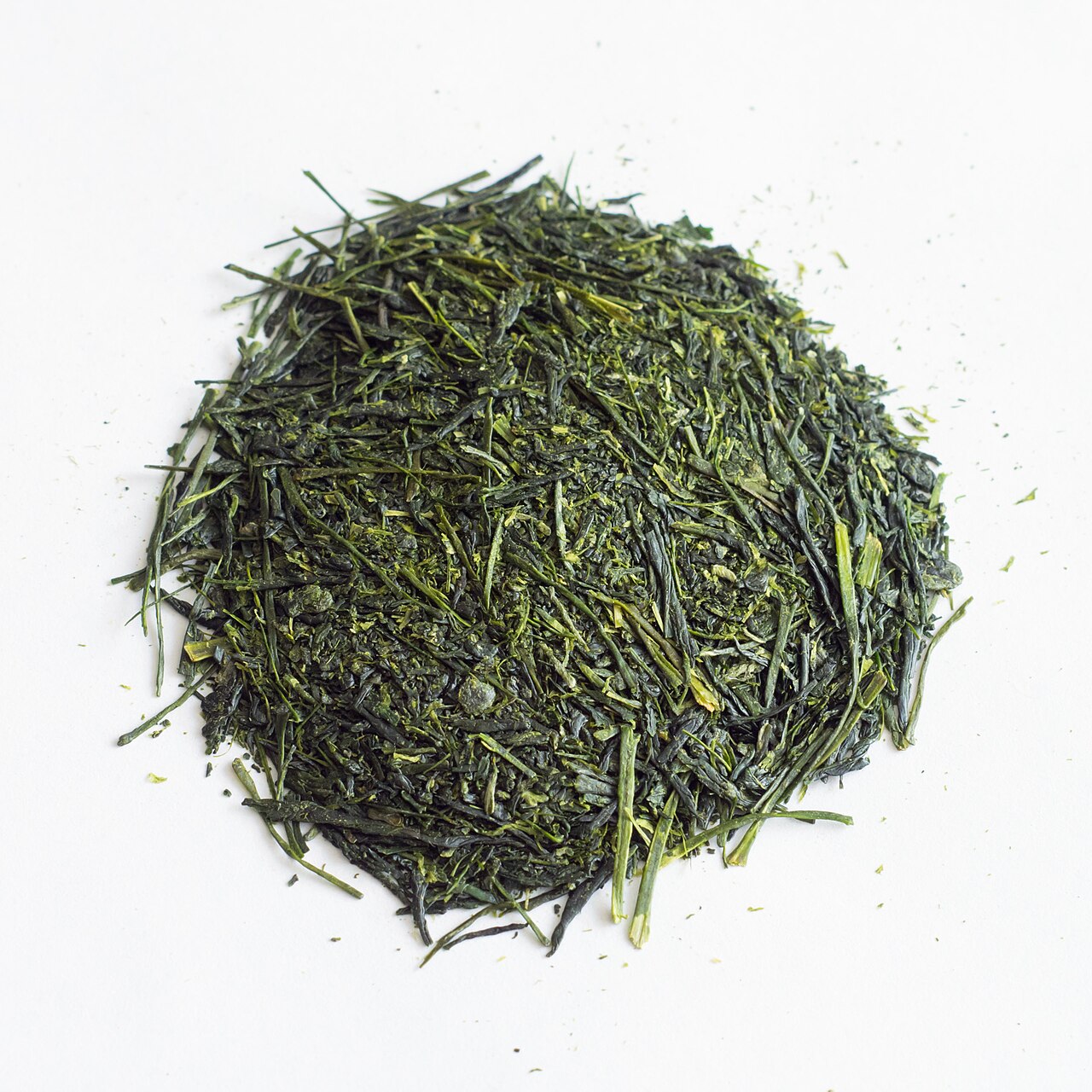
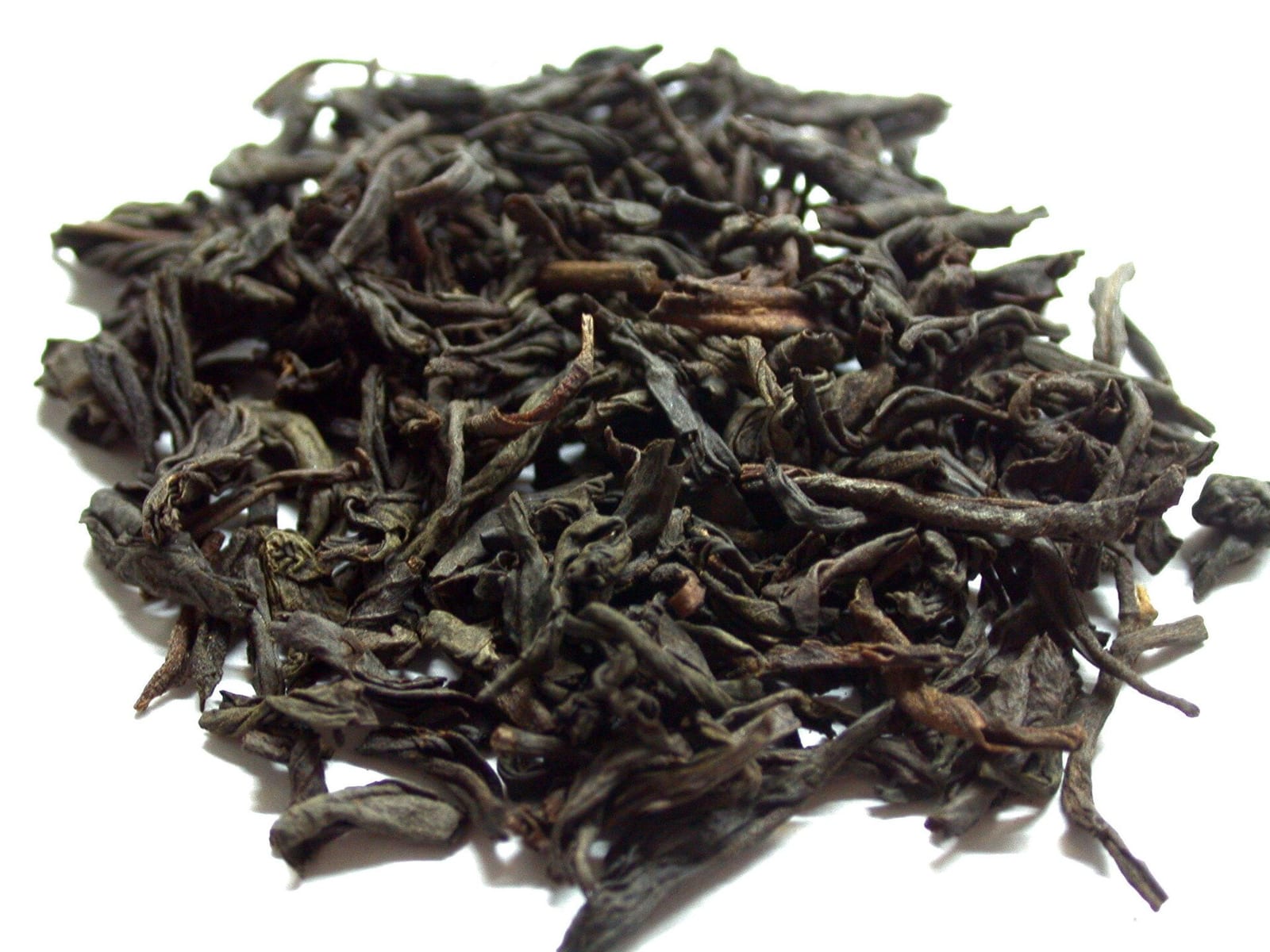
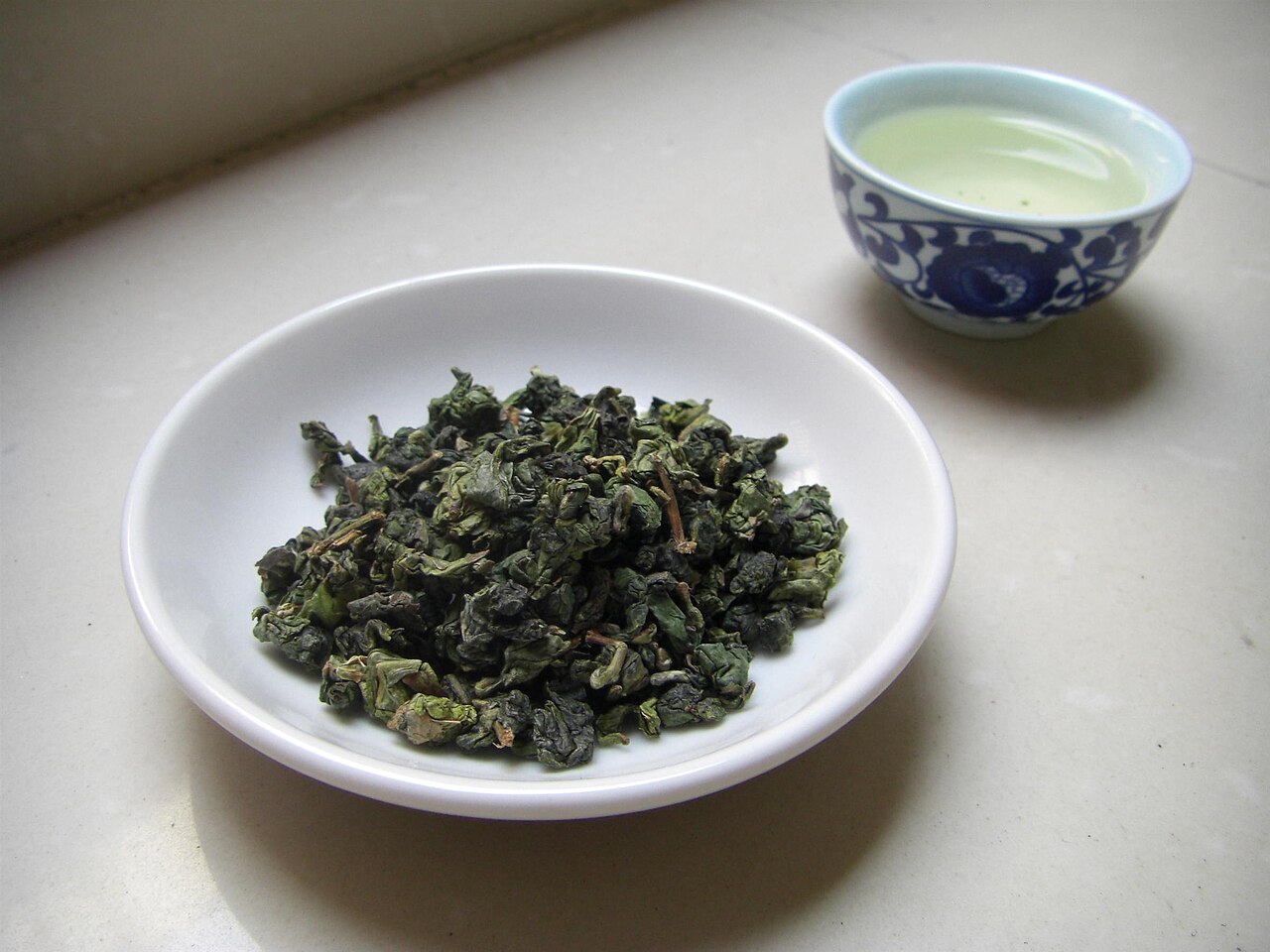
The VOC route is associated with Japanese sencha and matcha, Wuyi rock tea, lapsang souchong and Fujian oolong. These are broad categories drawn from the China and Japan trades. The company also handled green tea, bohea and other black teas, and the exact mix changed with supply and demand. A route association is not a claim that every VOC ship carried every type, and it does not establish a modern brand or garden.
Linked tea entries:
Visiting note
The route is maritime and cannot be walked. Amsterdam’s Rijksmuseum holds VOC maps, models, tea caddies and porcelain; the Cape’s castles and museums interpret the Dutch colonial period; Jakarta has VOC-era buildings; Nagasaki’s Dejima is a reconstructed and museumised site. These places are heritage sites with their own national narratives, not a single commemorative trail.
Sources and status
This English article is a full English edition of the Chinese route record, checked against Rijksmuseum material, the official Dejima site and the migrated station table. It is marked reviewed for bilingual source-check and claim-boundary purposes on 2026-11-22. The article deliberately avoids the unsupported claims that the VOC was the world’s first multinational or that it traded in Macau before the Portuguese.